A Star Dying by the Wrong Rules
How do you watch a star die? If it lives alone, like our Sun, it’s rather more difficult. So when researchers want to understand stellar death, they turn instead to the roughly half

How do you watch a star die? If it lives alone, like our Sun, it’s rather more difficult. So when researchers want to understand stellar death, they turn instead to the roughly half

What does a galaxy look like when it is living too fast? Twelve million light years from Earth, a smudge of light called Messier 82 is doing exactly that, forging new stars at

Around 40% of adults worldwide are affected by osteopenia: a loss of bone mineral density. This condition is extremely common particularly in postmenopausal women and elderly adults. It’s estimated that more than 500,000
In recent years, the pervasive contamination of ecosystems by microplastics (MPs) and nanoplastics (NPs) has emerged as a critical environmental issue. These tiny plastic particles, often less than 5 millimeters in size, have
In a landmark study poised to redefine the landscape of protein synthesis, Professor Joongoo Lee and his team at POSTECH have engineered an automated, modular platform that promises to revolutionize reconstituted cell-free systems.
In the quest for sustainable and efficient energy storage solutions, hydrogen stands out as a beacon of promise. Its potential to serve as a clean energy carrier, capable of powering fuel cells and

AEMO has set out a storage requirement of almost 50GW in its latest 2026 Integrated System Plan (ISP), split between 35GW of short and medium-duration battery storage for daily firming and 5GW of

ERCOT control room (Courtesy: ERCOT) Interconnection reform is all the rage right at the moment, and now the Electric Reliability Council of Texas (ERCOT) wants to get in on the fun. The Public
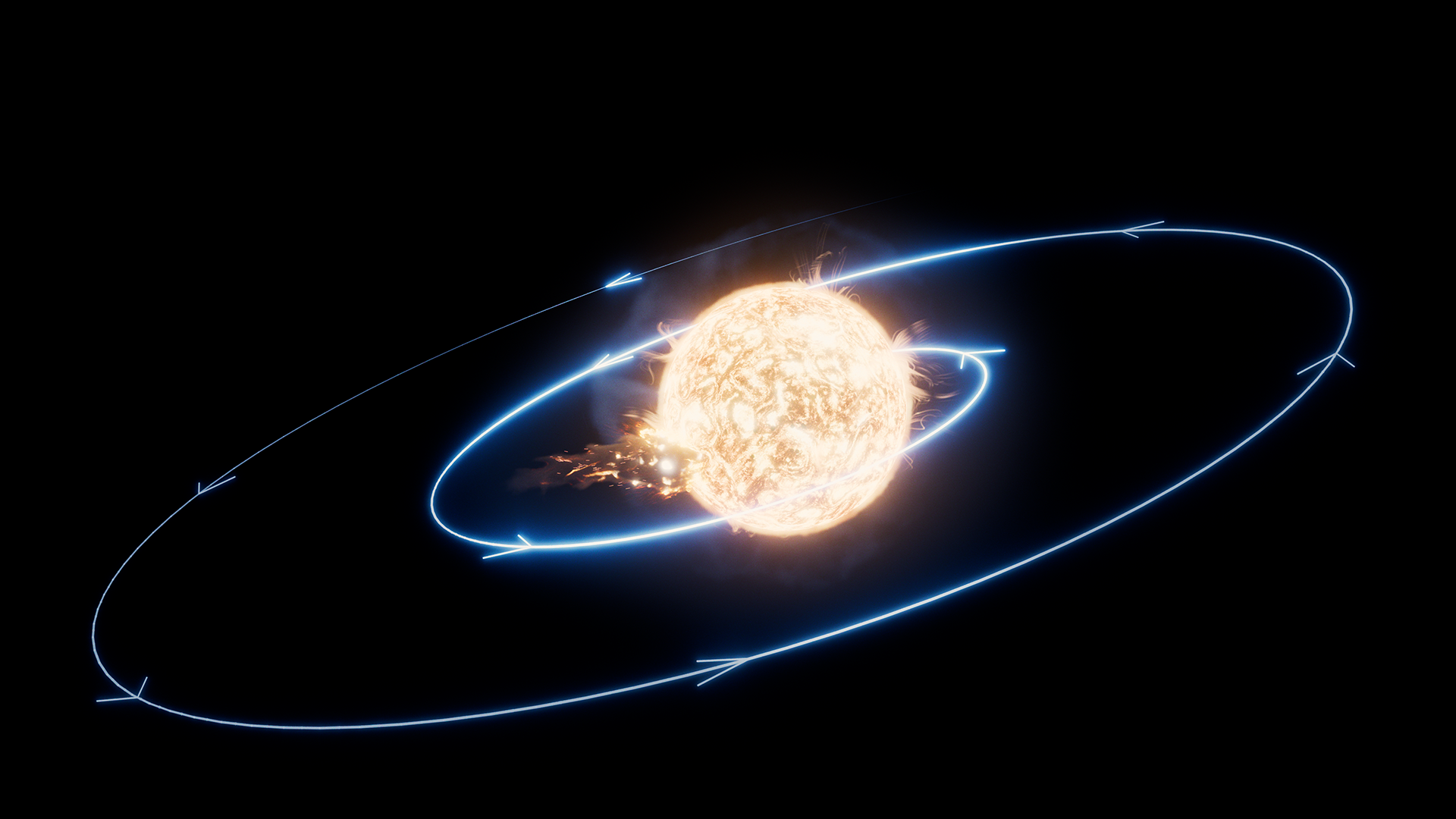
A team of 14 researchers from the United States and Chile have found evidence of a subgiant star eating one of its planets. The star, called TOI-5882, was already known to astronomers because
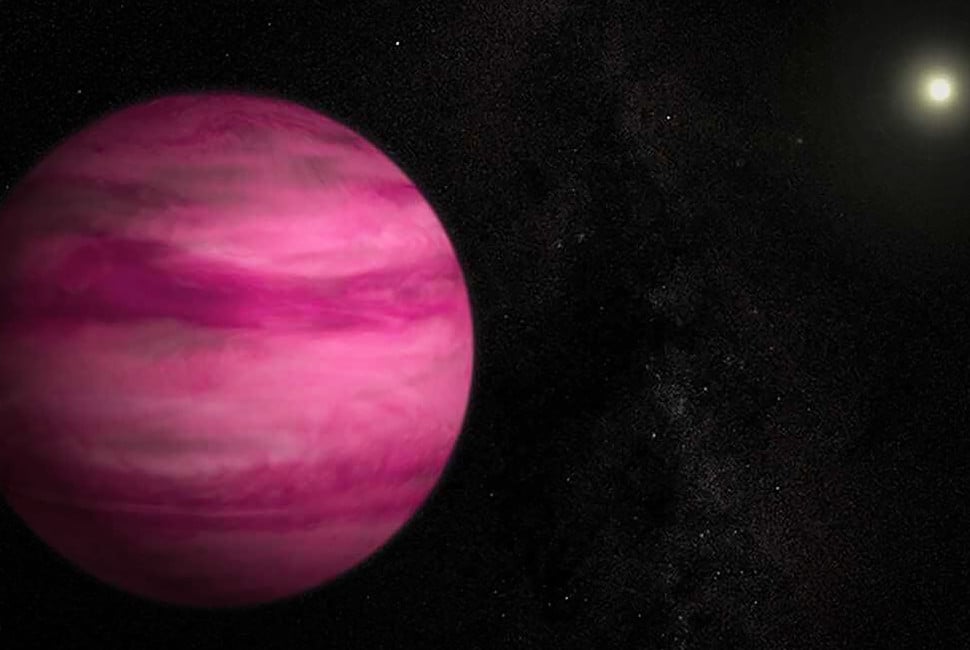
In 2013, astronomers made an unexpected discovery when they directly observed the coldest known planetary-mass companion with a rosy-hazed atmosphere. The object, GJ 504 b (better known as the “Pink Planet”), was too