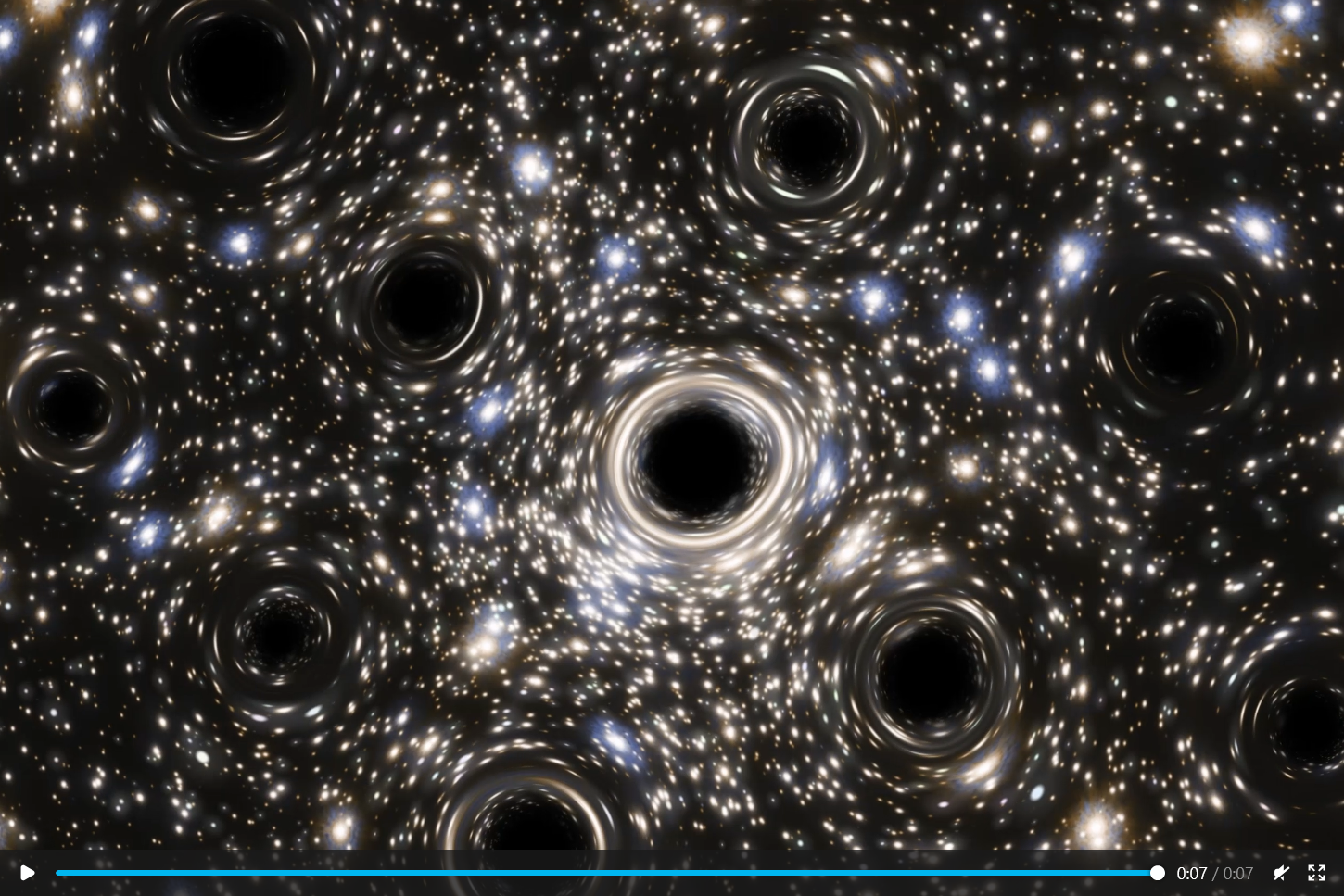
Wandering Black Holes May Hold Clues to the Evolution of the Universe
In the Universe, there is a class of black holes that are not supermassive and aren’t bound to any galaxy and travel through the cosmos for billions of years. In a new study,

In the Universe, there is a class of black holes that are not supermassive and aren’t bound to any galaxy and travel through the cosmos for billions of years. In a new study,
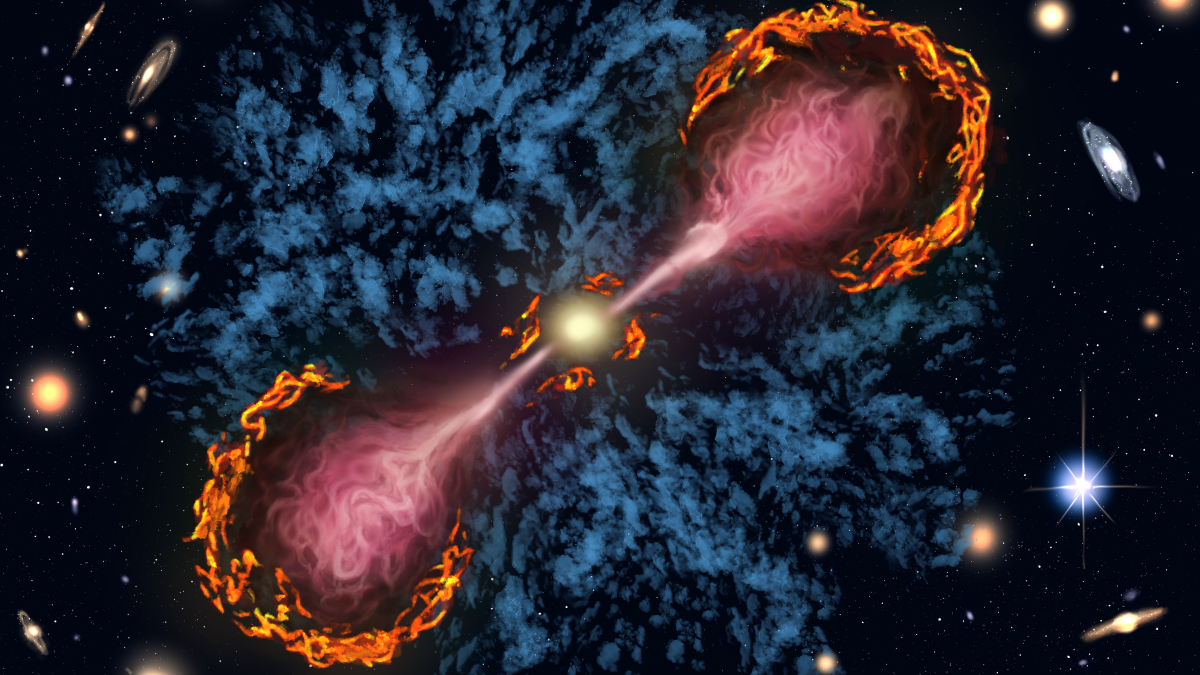
In recent decades, astronomers have found evidence that supermassive black holes can really mess with their galaxies’ evolution. They gobble up material intended for star formation, quenching the birth of stars. Conversely, jets
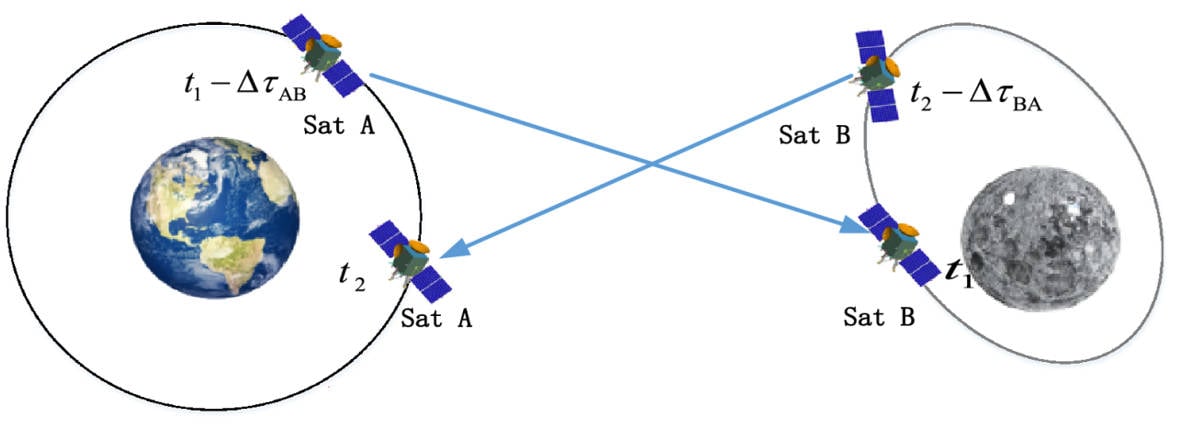
Global Positioning Systems are a key feature in everyday life for much of the world’s population. Whether it’s ensuring a ship delivers its goods safely, or you’re able to avoid a road closure
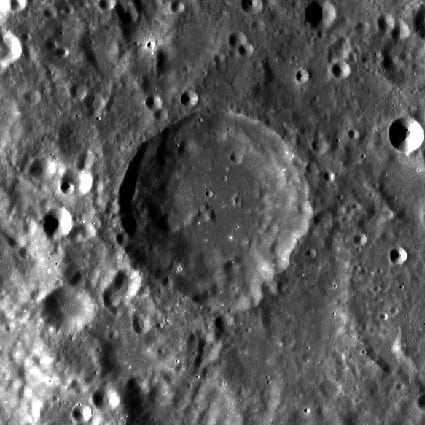
Scientists know for certain the moon doesn’t currently have a magnetosphere. But they’ve been debating for decades about whether it ever did. Data from both Apollo samples and orbital scientific instruments have proven
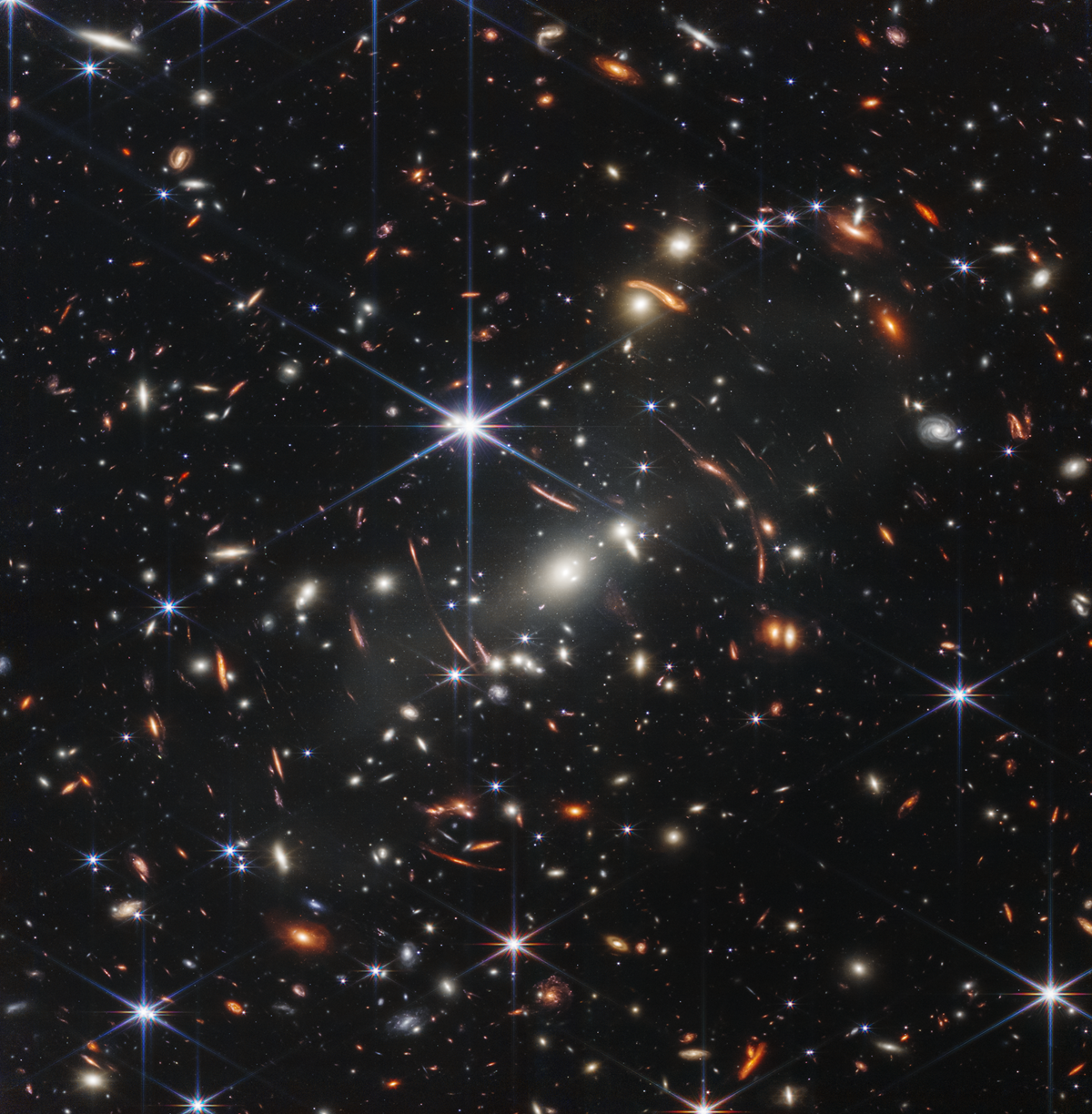
For astronomers and cosmologists, the Cosmic Dark Ages are the final frontier, holding the answers to how the first stars and galaxies formed and evolved. According to the most widely held theories, the
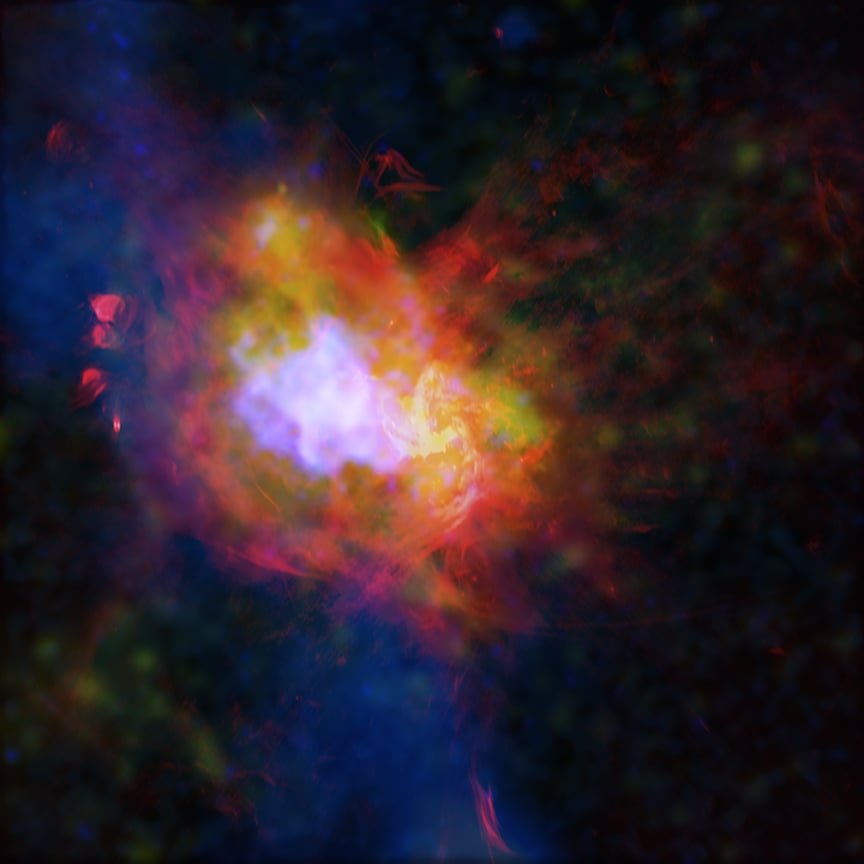
The core of the Milky Way is a dense, active, messy region, dominated by a supermassive black hole called Sagittarius A* (Sgr A*) hiding at the heart of the galaxy. But Sgr A*
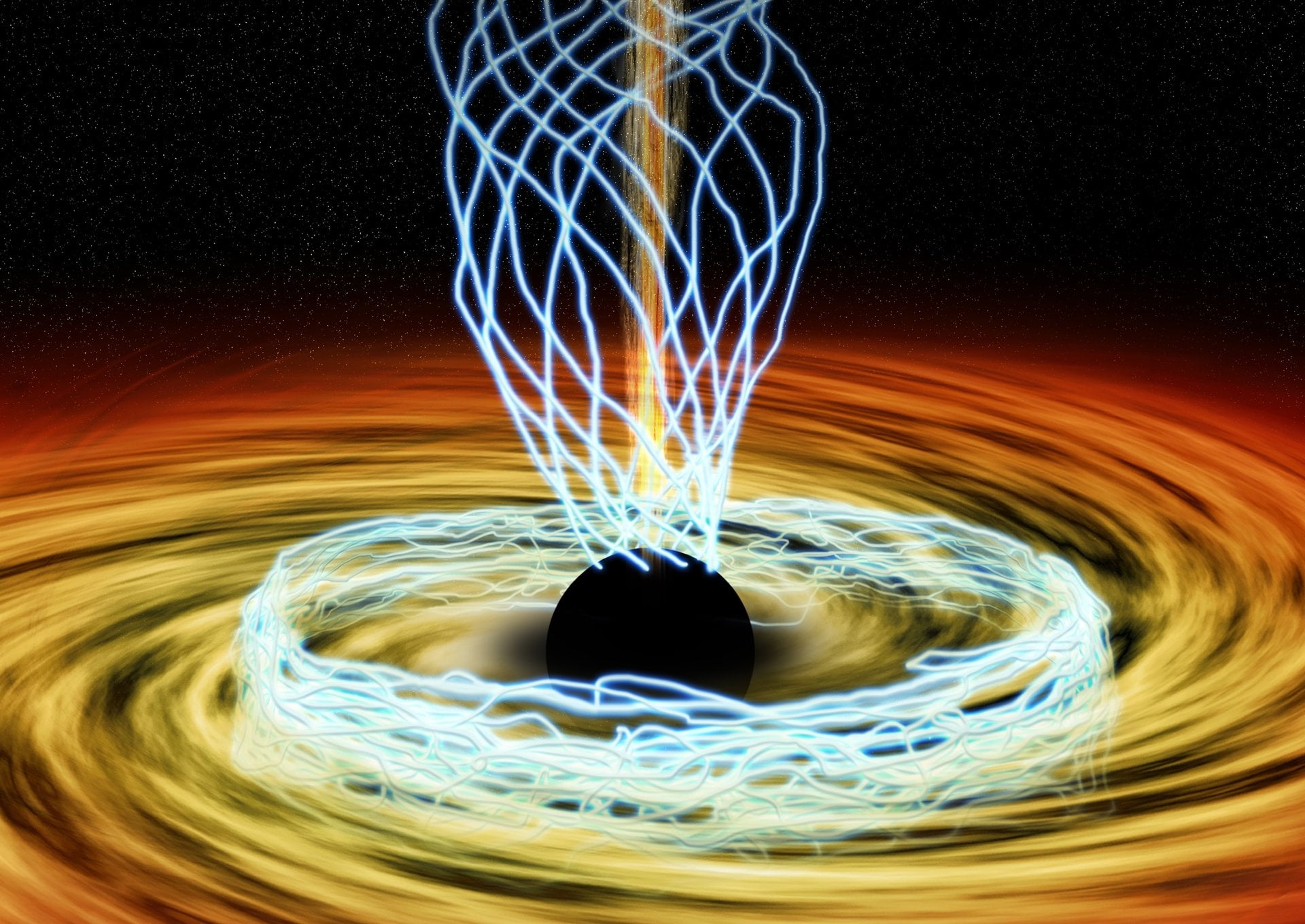
Galactic black holes are cosmic mitochondria, powerhouses of the Universe. Most of the energy these supermassive black holes produce is through the material surrounding them. Superheated plasma of their accretion disks interacting with
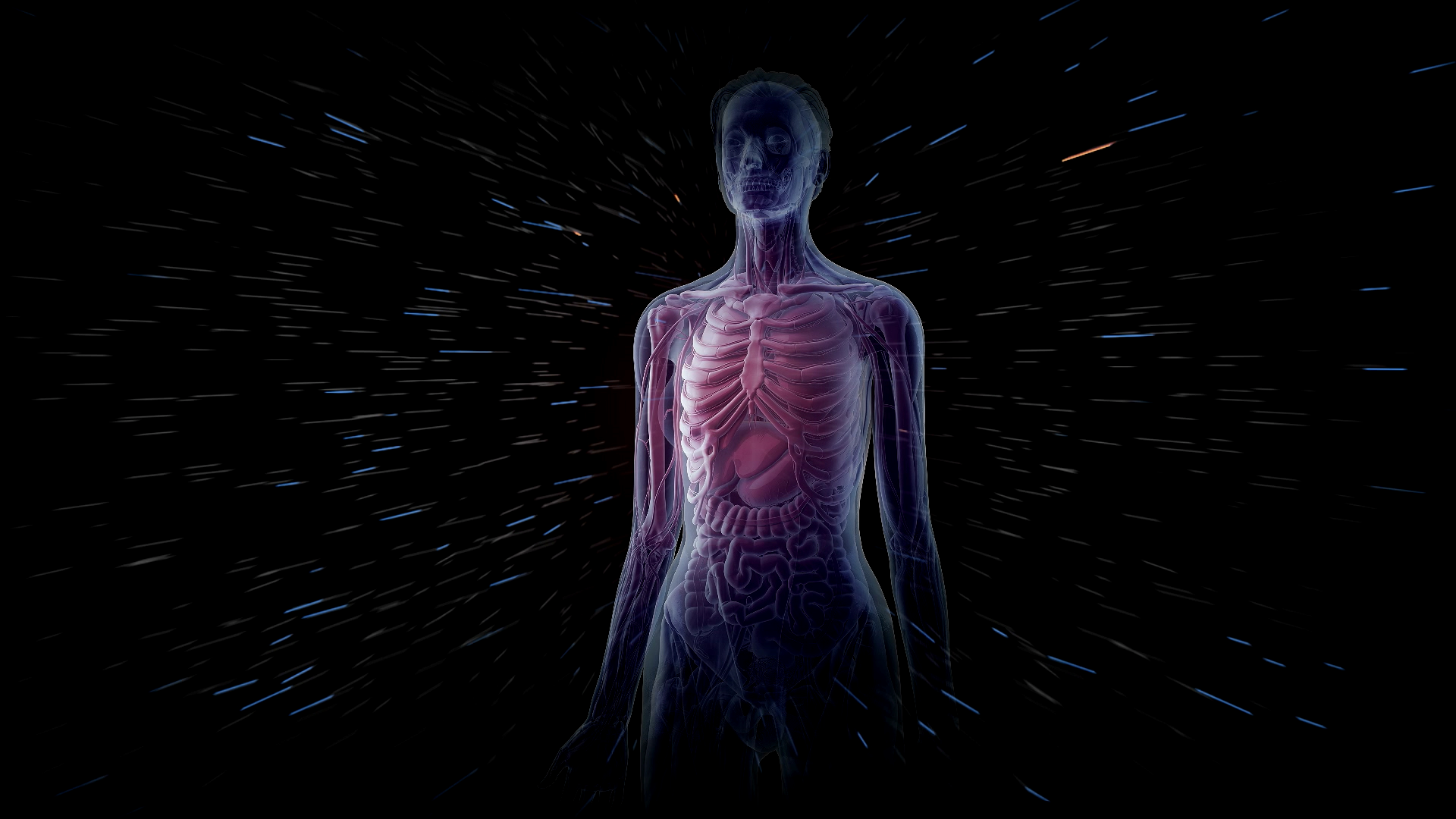
Deep space travel comes with a huge potential downside – radiation exposure that can kill an astronaut either quickly or slowly over time if not managed correctly. But what exactly does that mean,
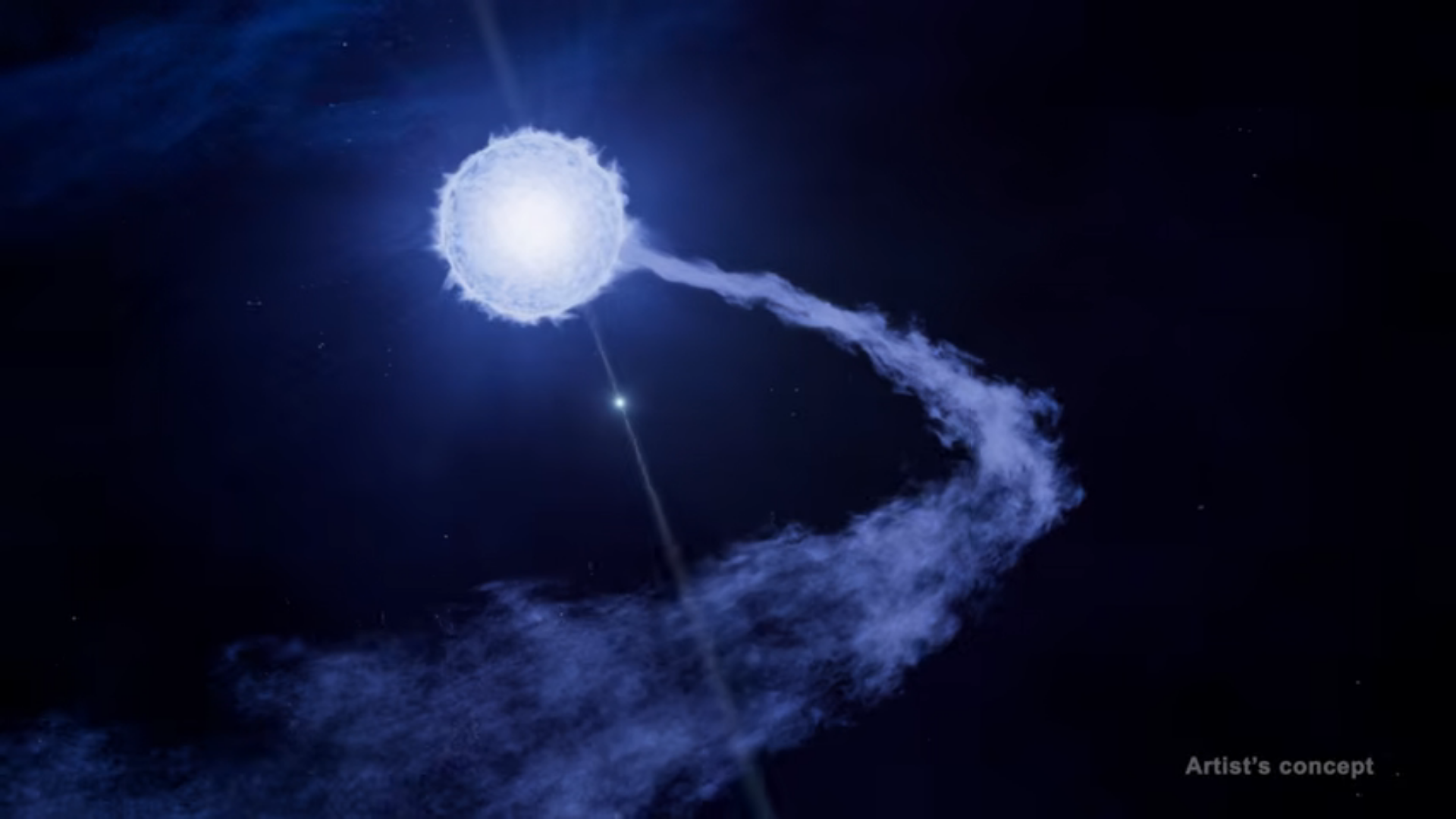
Using data from the X-ray Imaging and Spectroscopy Mission (XRISM) observatory, scientists recently observed BP Crucis, a high-mass X-ray binary located about 13,000 light-years away in the southern constellation Crux. The system’s primary,
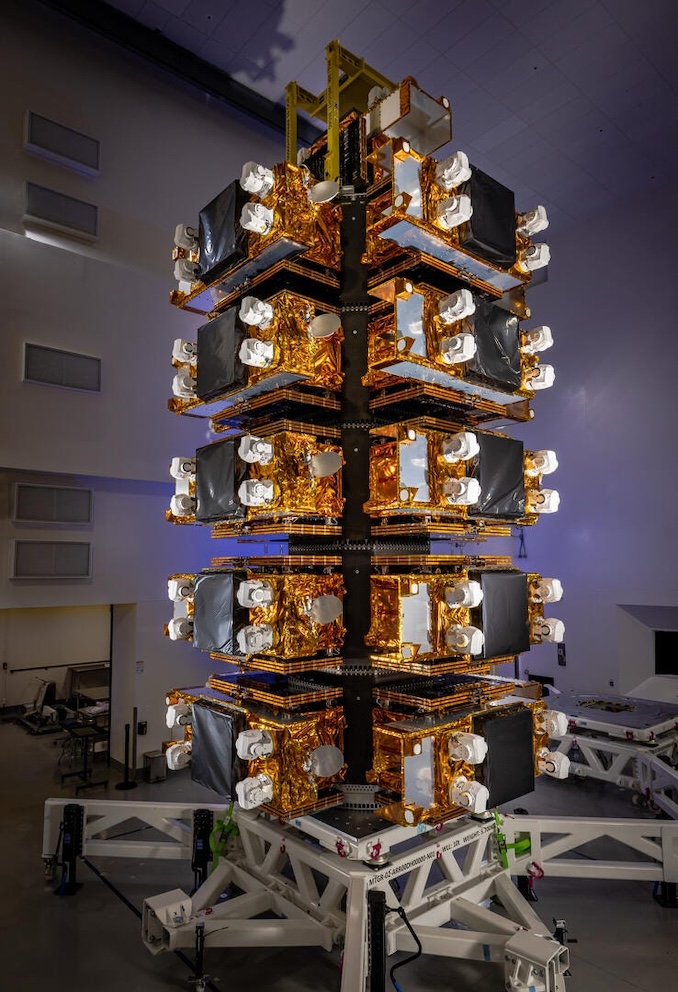
SpaceX scrubbed its launch attempt of the Space Development Agency’s Tranche 1 Transport Layer A mission on Monday, Oct. 5, 2026. Image: SpaceX via livestream Update Oct. 5, 8:48 p.m. EDT (0048 UTC):