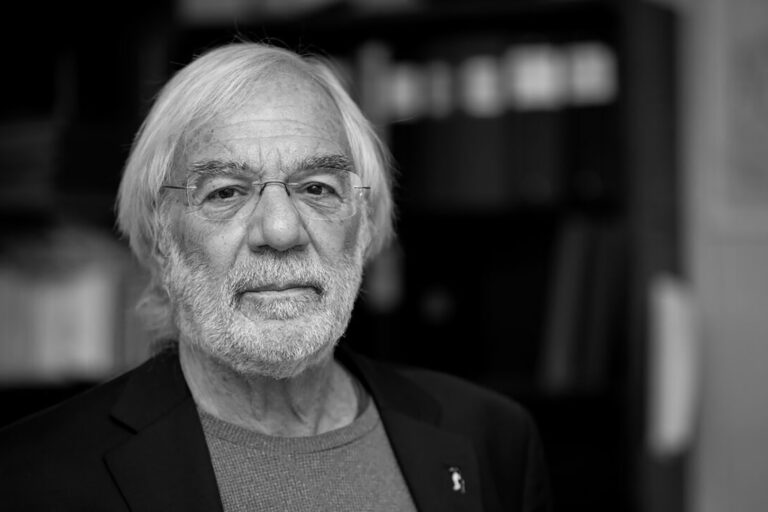
The North Atlantic can look empty until someone begins paying attention. A stretch of gray water off Newfoundland may hold only a few white specks at first glance. Through binoculars those specks become murres riding the swell, puffins carrying fish crosswise in their bills, or fulmars riding the wind above the waves. To Bill Montevecchi, these birds were never simply inhabitants of the ocean. They were observers of it. Their breeding success, feeding trips, and unexplained absences offered evidence about fish stocks, changing currents, pollution, and the state of an ecosystem that people could not otherwise see. For more than five decades, William A. “Bill” Montevecchi, who died on July 11th, aged 80, treated seabirds as the ocean’s most reliable witnesses. His work helped establish them as indicators of environmental change long before the idea became commonplace. At the same time, he became one of Canada’s best-known public interpreters of marine science, moving comfortably between academic journals, government advisory panels, newspaper columns, and radio interviews. He approached each with much the same purpose: to understand what the birds were saying and to explain why others should listen. Bill Montevechi shows a small injured storm petrel in Bay De Verde, Newfoundland. Photo © Mary Lynk/CBC Born in New York, he developed an interest in birds at an early age and trained as an ornithologist before moving to Newfoundland, where he spent most of his career at Memorial University. Newfoundland offered what he sought: immense seabird colonies, productive seas, and unanswered questions.…This article was originally published on Mongabay