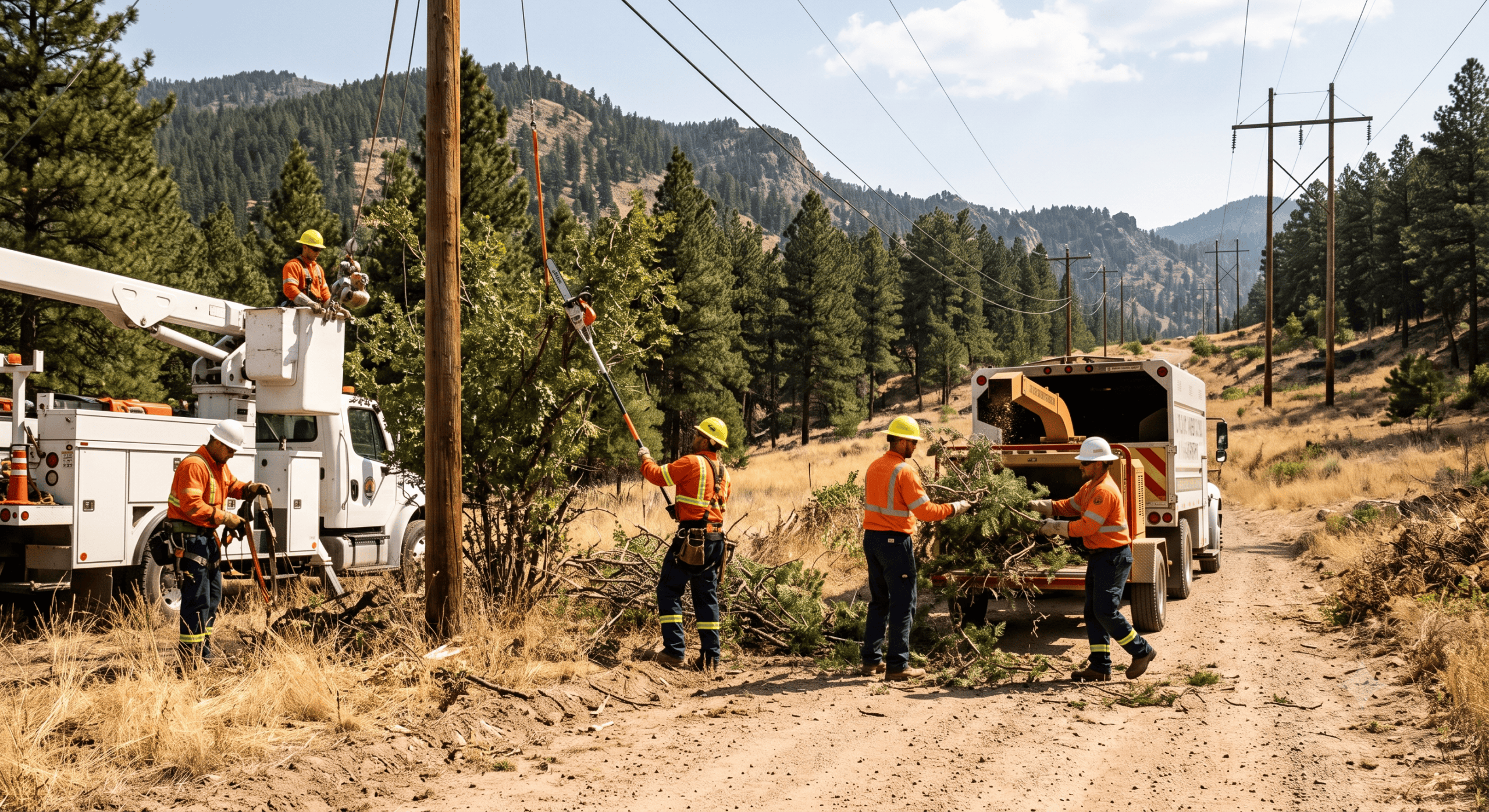

Earlier this year, we showcased how a new era of utility wildfire defense was being defined by a shift from reactive maintenance to proactive risk mitigation. It’s a development that highlighted the many ways in which this evolution is being driven by operational approach as much as technology. Seeing that extreme weather events have and will continue to reveal grid vulnerabilities, adopting this sort of proactive stance has become an even bigger priority for utilities.
That’s also why understanding the technology that can enable this shift is essential, since AI-powered inspections and asset intelligence are helping utilities identify high-risk infrastructure, prioritize mitigation activities, and strengthen wildfire preparedness. These are the sorts of insights that will be showcased in multiple ways at the Wildfire & Weather Emergency Response Summit taking place August 25th in Chicago, IL, during DTECH Reliability & Resiliency.
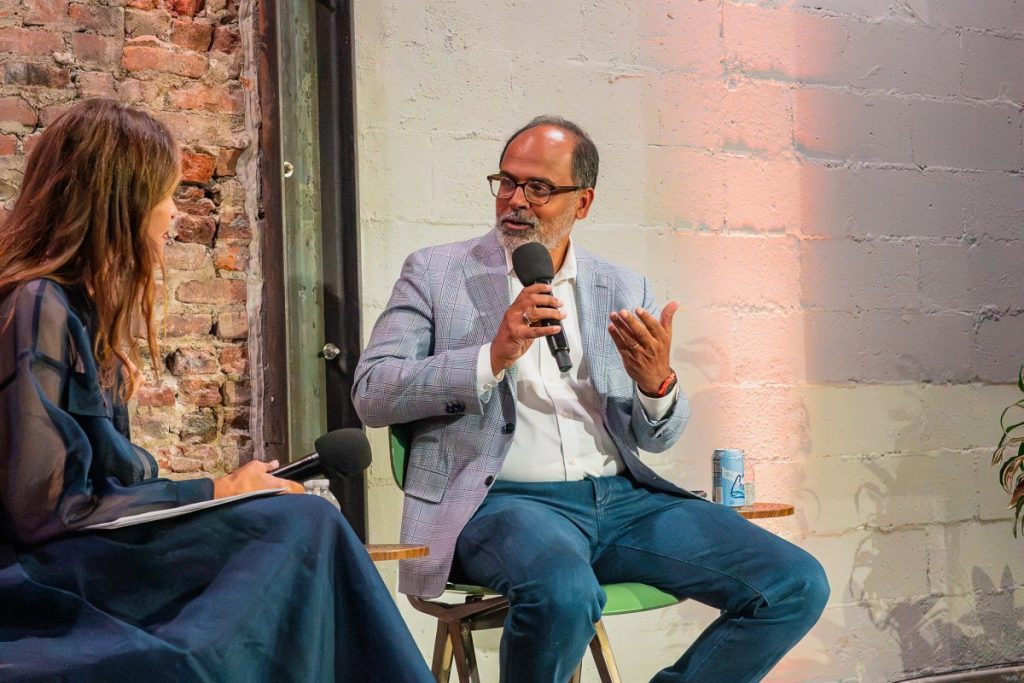
Donald McPhail, Vice President of Market Development at eSmart Systems, is set to take the stage at the summit. He’s previously detailed why conventional AI is failing the grid as well as what it means to build a digital inspection program to support proactive asset management, but he has much more to say about how AI-driven image analytics support smarter investment decisions, as well as why a layered approach to grid resilience is so important. All of which will underpin every presentation and discussion at the Wildfire Summit.
To preview what’s in store for attendees of the event, we connected with him to outline how the reliability framework around utility infrastructure has evolved, which challenges are most pressing when it comes to building a more dependable grid, what he’s most looking forward to showcasing this August in Chicago, and more.
Jeremiah Karpowicz: Historically, reliability for a utility was a straightforward concept that was centered on keeping the lights on, but that definition has fundamentally shifted. How do you define and talk about modern reliability?

VP Market Development, eSmart Systems
Donald McPhail: Historically, we measured reliability with averages. SAIDI, SAIFI, blue-sky performance, keeping the lights on across a normal year. That still matters, but it tells you very little about those low-frequency, high-severity days that are growing in frequency and severity. That is the extreme weather-driven events.
Modern reliability is really about resilience: how well the grid withstands, adapts to, and recovers from the worst conditions it will face, not the average ones. The threats have changed too. Wildfire, extreme heat, wind, and storms are showing up in places that never had to plan for them, and the old idea of a fixed high-risk zone no longer holds. So when I talk about reliability today, I frame it around the low-probability, high-consequence events, and around one question: on your worst day, do you actually know which assets are most likely to fail and what that failure could cause? If you can’t answer that at the component level, you’re managing reliability on faith.
I also try to keep the community in the picture. Reliability isn’t only an engineering metric; it’s about protecting the infrastructure people and communities depend on most when things go wrong, and it’s safe and affordable in its delivery.
What have been some of the most notable drivers of this evolution from your perspective?
The physical risk environment changed faster than most planning assumptions did, and much of what follows is a response to that. Regions that historically saw little wildfire or extreme weather are now dealing with both.
Technology is the second driver, and it’s a major one. AI and high-resolution imagery mean you can now see the condition of individual components across hundreds of thousands of miles of line, which simply wasn’t practical before, and that changes what’s possible in both planning and operations.
The third piece, and it’s growing, is financial, legal, and regulatory pressure. Regulators, insurers, and credit agencies increasingly want an evidentiary record that investment decisions were sound and defensible. Customer expectations matter, but customers have always wanted the lights on. What’s new is that utilities are now expected to prove they’re spending prudently to keep them on under conditions the grid was never designed for.
What’s the biggest hurdle in building a more dependable and adaptable grid, and how are you working with utilities like Xcel Energy to bridge that gap?
Utilities are sitting on enormous volumes of inspection and asset information, but a lot of it lives in silos, in different formats, and never connects planning to operations to restoration. You end up with a “fix everything” backlog and no defensible way to say what to fix first. That gap, between having data and having decision-grade intelligence, is the real barrier to a more adaptable grid.
What we work on is closing that loop. We use AI-powered inspections to build an accurate, current picture of assets down to the component level, then rank findings by condition, component type, and the environment around them, so a utility can direct money to where degraded hardware and real hazard actually overlap.
We’ve done this with utilities like Evergy and Xcel Energy, turning a pile of inspection findings into a focused work plan instead of a longer to-do list. The shift we’re after is simple to say and hard to do: move from doing more to doing what matters most, and be able to defend that choice.
What’s one thing you want people to know about what they can expect to get out of your session at DTECH Reliability & Resiliency?
We’ll walk through a layered, “triple line of defense” approach to resilience, prevention, containment, and rapid recovery, and where asset intelligence fits in each phase. Resilience often comes down to the smallest, least glamorous pieces of hardware, and knowing their condition is what lets you prioritize with confidence instead of guessing.
See the full Wildfire & Weather Emergency Response Summit program or register for the event.