How can you protect workers and your project amid overlapping trades and changing conditions?
Data center construction is growing fast. As a result, the pace of work in the field keeps accelerating. Crews move quickly from structural work to equipment setting, electrical installation, and commissioning. Use the guidance below to help crew leaders and safety professionals understand where the risks are highest and what to watch for. These are areas OSHA consistently enforces, owners expect to be controlled, and crews rely on field leadership to manage in real time.
- Working at heights: Plan protection before exposure occurs
- Electrical work: Commissioning creates the highest risk
- Lifting operations: Stay clear of suspended loads and swing areas
- Excavation: No entry until protective systems are in place
- Traffic and logistics: Keep people separated from moving equipment
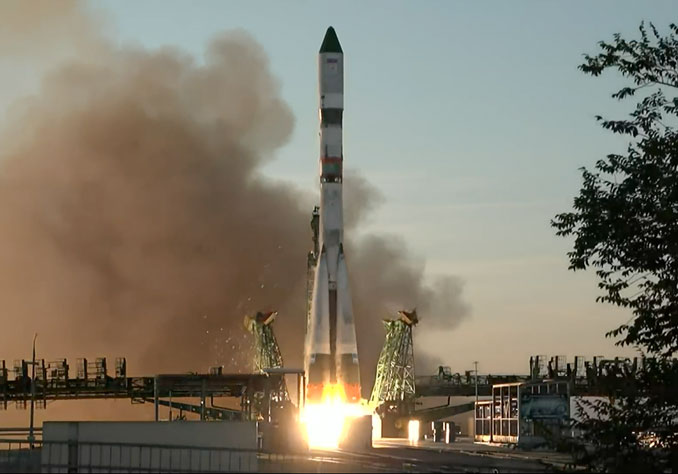
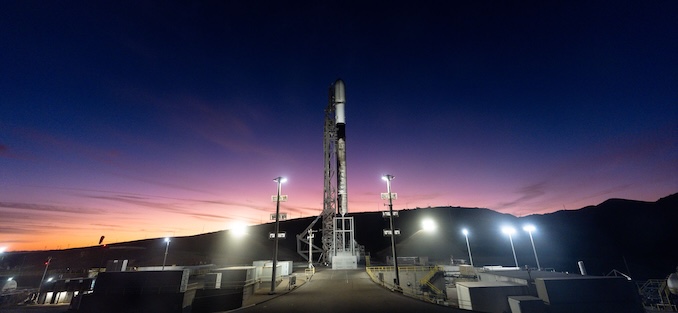
Data center construction is expanding rapidly, driven by cloud computing, AI, and digital infrastructure. That growth is pushing projects into more locations and accelerating jobsite pace.
Crews move quickly from structural work to equipment setting, electrical installation, and commissioning. Trades overlap. Conditions change daily. Yesterday’s plan may no longer protect workers today.
The hazards themselves are not new. What makes these projects different is how often they exist at the same time and how little margin there is for error. A missed handoff, an unplanned lift, or a wrong assumption about energized equipment can have immediate and severe consequences.
Field leadership needs to recognize where risk is highest, slow work when needed, and stop it when protections are not in place.
Falls remain the leading cause of death in construction, accounting for roughly 38 percent of fatalities.
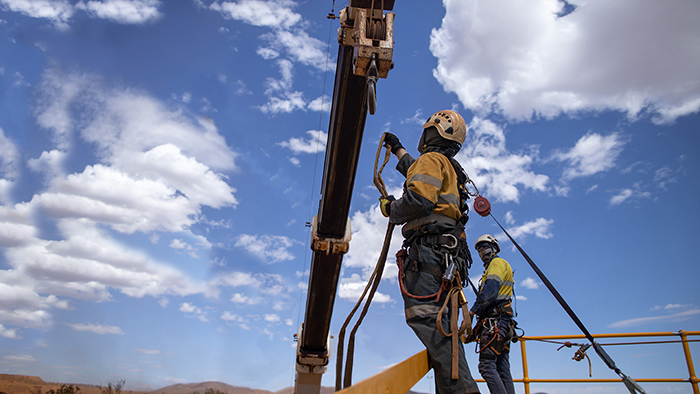
On data center projects, fall hazards are present from start to finish: steel erection, elevated work, scaffolds, ladders, and aerial lifts, often with crews working above and below one another.
Most incidents aren’t due to lack of knowledge. They happen when access isn’t planned, protection doesn’t keep up with the work, or shortcuts are taken.
Fall protection must be in place before exposure exists. Guardrails, proper anchorage, tie-off, and equipment inspections are critical. Dropped-object hazards also need to be controlled through toe boards, netting, tool tethering, and exclusion zones.
Electrocution is the second leading cause of construction fatalities and is a built-in risk on data center projects.
Large feeders, switchgear, generators, and UPS systems expose workers to shock, arc flash, and arc blast hazards. These events are often fatal or permanently disabling.
The highest risk phase is commissioning. During this stage, systems may be partially energized, multiple trades are working nearby, and assumptions about what’s “live” can be deadly.
Only qualified workers should perform electrical tasks. Lockout/tagout must be strictly enforced. Clear communication, defined boundaries, and proper PPE are essential. Even everyday issues like damaged cords or tools can introduce serious hazards if not addressed.
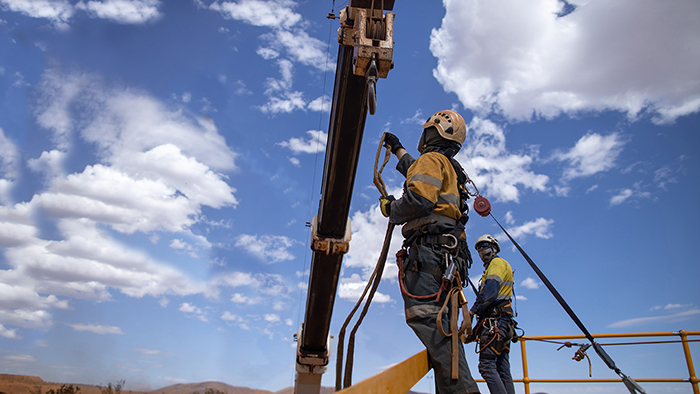
Data center construction relies on frequent heavy lifts, including structural steel, generators, and large mechanical and electrical components.
When lifting operations fail, the outcome is often severe. Once a load shifts or falls, there’s no recovery.
Lifts must be planned, not improvised. Crane set-up, load limits, ground conditions, and communication all need to be verified. Operators, riggers, and signal people must be qualified, and equipment must be inspected.
The biggest risk comes once the load is in the air. Workers must be kept clear of suspended loads, swing areas, and drop zones at all times.
Excavation work for foundations, utilities, and duct banks presents serious hazards. Cave-ins can occur without warning and are often fatal.
On data center projects, risks increase due to deep excavations, changing soil conditions, and heavy equipment operating nearby.
Safety depends on doing the basics every time. A competent person must inspect conditions before entry and as conditions change. Protective systems like sloping, shoring, or shielding must be in place before workers enter.
Spoil placement, equipment positioning, and access points are all factors inspectors evaluate in real time.
These sites are logistics-heavy, with constant movement of trucks, cranes, and equipment. Tight layouts, blind spots, and changing work zones increase the risk of struck-by and run-over incidents.
Clear traffic plans are essential. Pedestrians need to be separated from equipment whenever possible. Spotters should be used in congested areas, and vehicle inspections must be consistent.
When controls break down and workers are exposed to active traffic, work must pause until conditions are corrected.
While the top five hazards account for the majority of serious incidents, these additional risks are just as important and can lead to severe outcomes if controls break down:
Across the construction industry, falls remain the leading cause of death, accounting for about 38 percent of fatalities. Electrocution ranks second at roughly 9 percent (U.S. Bureau of Labor Statistics).
These are not isolated risks. They are recurring, predictable hazards seen across nearly every data center project.
- Data center construction is moving fast, and risk is rising with it. Heavy lifts, energization, and startups often overlap, increasing exposure across trades.
- Success comes down to coordination. When plans change, hazards increase, or high-risk work is scheduled, that information must be shared quickly so crews can adjust before someone gets hurt.
- Plan access before work begins to keep workers away from hazardous work areas. Control energy, manage vehicle movement, and stop work when protections aren’t in place.
- The highest risk hazards must be actively managed in the field. Falls, electrical work, lifting operations, excavations, and traffic control require constant attention to prevent serious incidents.
Data center construction isn’t slowing down. With that growth comes increasing pressure to keep work moving, even as risks rise during heavy lifts, energization, and startup activities.
Success comes down to doing the basics well and doing them together. Clear communication between crews is critical. When plans change, hazards increase, or high-risk work is scheduled, that information must be shared immediately so crews can adjust.
Plan the work before it starts. Control energy, manage vehicle movement, and keep workers clear of active hazards and changing conditions. Stop the work when protections are not in place.
These actions help prevent injuries, protect workers, and keep complex data center projects moving safely.
About the Author:
Joe Proulx, MS, CSP joined J.J. Keller & Associates, Inc. in 2023 as a Sr. Compliance Expert on the Environmental, Health, & Safety team. He brings over two decades of experience in manufacturing and higher education. He’s a Certified Safety Professional and a Six Sigma Black Belt. His broad academic achievements include an Associate of Science in Industrial Laser Technology, a Bachelor of Science in Industrial Management, and a Master of Science in Environmental Safety and Health.
Read more from the author:
Tank implosion tragedy highlights pressure hazards | J. J. Keller® Compliance Network, 6/16/2026
Expert Insights: Coaching safety on the front line | J. J. Keller® Compliance Network, 6/12/2026