Instead of trying to build every component from scratch, International Thermal Systems (ITS) partnered directly with an industry leader.
In high-speed manufacturing, unexpected downtime directly cuts into profits. When a line running thousands of parts per minute suddenly shuts down, the cost of lost production far outweighs the price of replacement parts.
A leading metal packaging manufacturer faced this exact problem: chronic component wear on a high-speed container line was causing frequent, expensive shut-downs.
The client’s oven line runs steel food cans at a blistering pace of 4,000 cans per minute. However, the oven’s support bed relied on traditional ceramic materials, which were designed for slower-moving belts- not high-speed operations.
The heavy friction caused the transport belts to wear out and snap every 45 days. Every time a belt broke, the line went dark for 12 full hours for repairs, bleeding thousands of dollars in lost productivity.
While competitors claimed the setup couldn’t be changed, the ITS sales engineering team took a closer look at the friction problem.
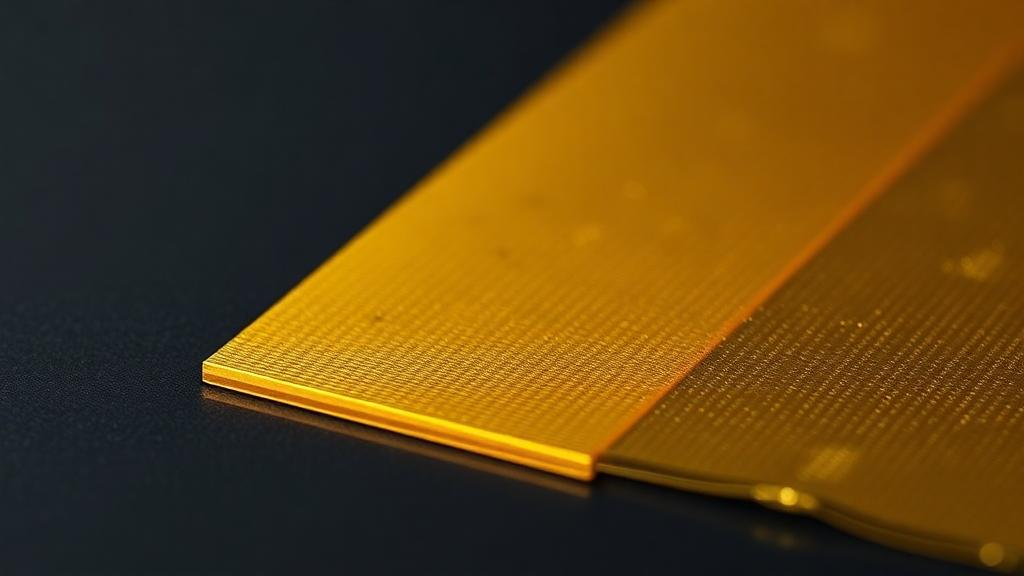
Instead of sticking with rigid ceramic standards, ITS engineered a custom retrofit using a specialized synthetic surface along the slidebed. This smoother material drastically reduced belt friction while comfortably handling high oven operating temperatures.
Since installing the synthetic slidebed retrofit, the plant has seen immediate improvements:
- 7+ Months of Zero Downtime: The line has run continuously for over 7 months without a single belt failure.
- Massive Cost Savings: Completely eliminated recurring 12-hour maintenance shutdowns.
- Proven Problem-Solving: Showed the value of custom engineering over “standard” industry fixes.
internationalthermalsystems.com