
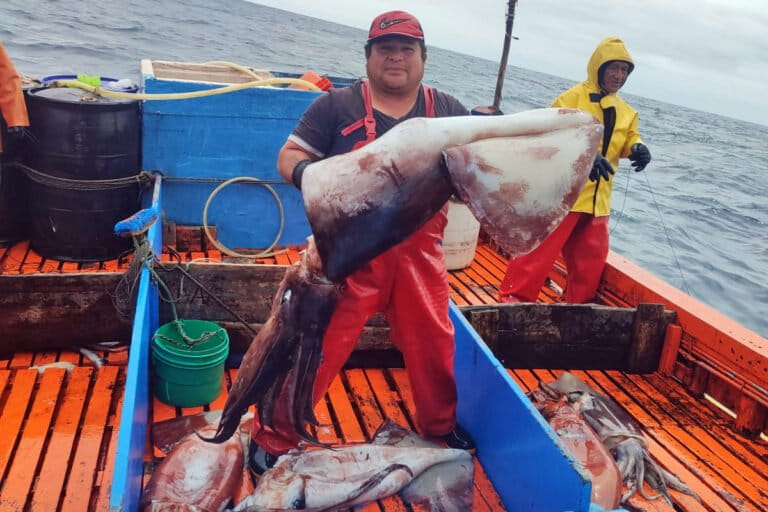
In recent years, there has been a steady stream of ocean conservation pledges, from French Polynesia extending marine protection across its nearly 5 million-square-kilometer exclusive economic zone, including more than 1 million square kilometers of highly or fully protected waters, to the Eastern Tropical Pacific Marine Corridor (CMAR), where Colombia, Costa Rica, Ecuador, and Panama agreed to establish a contiguous, transboundary safe passage of more than 500,000 square kilometers (193,000 square miles) for migratory species. There is also much greater recognition of the contributions made by traditional stewards, including Indigenous communities, artisanal fishers, and other coastal communities. On paper, at least, this would seem to bode well for progress toward protecting 30% of the ocean by 2030. Yet at the same time that these announcements are being made, we also hear about “paper parks” — those protected in name only — industrial fishing vessels entering protected areas, boats turning off their transponders, and abandoned fishing gear drifting through supposedly protected waters. Coral reef in the Pacific. Photo by Rhett Ayers Butler / Mongabay Over the summer, looking across academic literature and Mongabay’s multilingual coverage, I tried to pin down what the evidence actually shows about marine conservation outcomes in the Americas. Merging peer-reviewed datasets with field reporting has its limitations, but it helps bridge a common divide: studies document broader ecological trends, while journalists track the political compromises and enforcement lapses that shape what happens on the water. Unsurprisingly, the central takeaway is that marine conservation is most likely to…This article was originally published on Mongabay