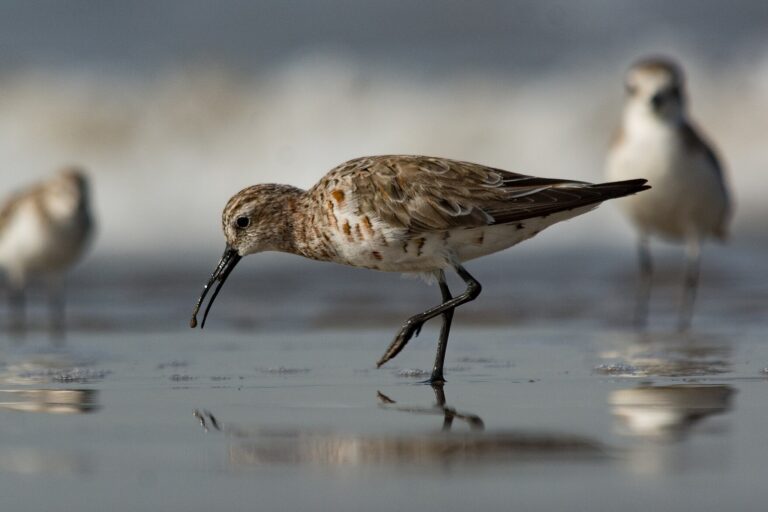
A recent State of the World’s Birds report found nearly half of the migratory birds assessed are declining. The stark finding comes as world governments are gathered in Armenia for the ongoing U.N. Biodiversity Conference to review progress toward global conservation goals. In southern Mozambique, Maputo National Park illustrates the biodiversity importance of conserving key habitats for migratory birds offering food, rest and shelter for species traveling thousands of kilometers between breeding and wintering grounds. The park’s diverse ecosystems include coastal lagoons, wetlands, mangroves, freshwater systems, intertidal mudflats and extensive shorelines — all supporting a wide range of migratory and resident birds. Its location along the southern African coast makes the park an important part of the network of habitats that sustain birds throughout their annual journeys. “The park bridges the gap between Eurasian breeding grounds and southern African over-wintering zones,” Alex Ngari, migratory birds and flyways programme manager with BirdLife International Africa told Mongabay by email. The park lies within the Maputaland Centre of Plant Endemism, a global biodiversity hotspot. ‘’It provides a safe place for exhausted birds to replenish their energy after long-distance flights,” Ngari said. He offered the example of the vulnerable to extinction curlew sandpiper (Calidris ferruginea), a migratory shorebird that breeds in Arctic regions and migrates to southern Africa where it feeds on invertebrates in the park’s mudflats for the winter. The park’s marine and inland waters, coastal lakes and lagoons also provide seasonal habitat for osprey, Madagascar bee-eaters, flamingos and several heron species, he…This article was originally published on Mongabay