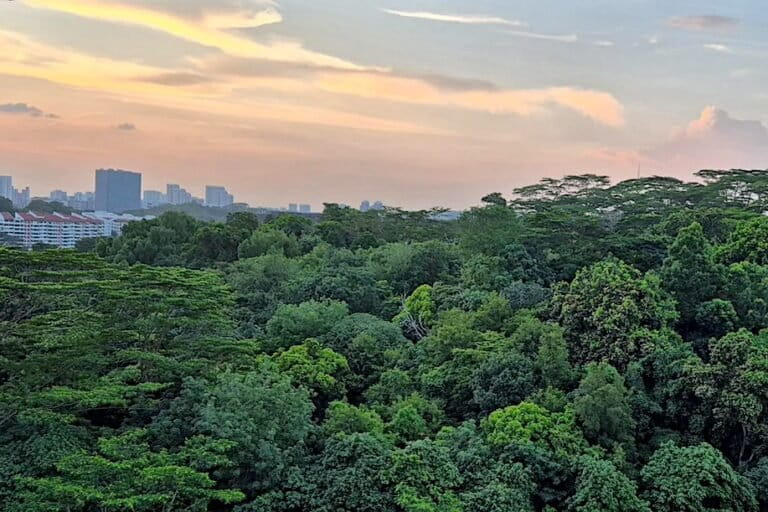
Every city faces difficult choices about how to use its land. As populations grow, governments must provide homes, transport and other essential infrastructure while protecting the natural ecosystems that make cities liveable. These decisions are often framed as a trade-off between development and conservation, with forests viewed primarily as reservoirs of biodiversity or stores of carbon. What if we have been overlooking one of their most important contributions? As climate change intensifies, urban heat worsens and chronic diseases associated with sedentary, high-stress lifestyles continue to rise, a growing body of research suggests forests are far more than wildlife habitat. They are living public infrastructure that helps keep people physically healthy, mentally resilient and socially connected. Mature forests cool neighborhoods, encourage physical activity, provide opportunities for stress relief, strengthen community cohesion and support biodiversity, which is fundamental to many of these benefits. This perspective is particularly relevant in Singapore. The city-state has earned global recognition for integrating nature into one of the world’s most densely populated urban environments. Yet many of its remaining forests – including the 23-hectare (57-acre) Maju Forest in Clementi – are increasingly under pressure from development. Current plans would retain about one-third of the forest and convert approximately 15 hectares (37 acres) into public housing. Over 100 species of wildlife have been recorded in Maju Forest and six – mainly birds – are of conservation significance, including the straw-headed bulbul (pictured), buffy fish-owl, changeable hawk-eagle, oriental magpie-robin, bamboo bat and long-tailed macaque. Image courtesy of Singapore’s National…This article was originally published on Mongabay