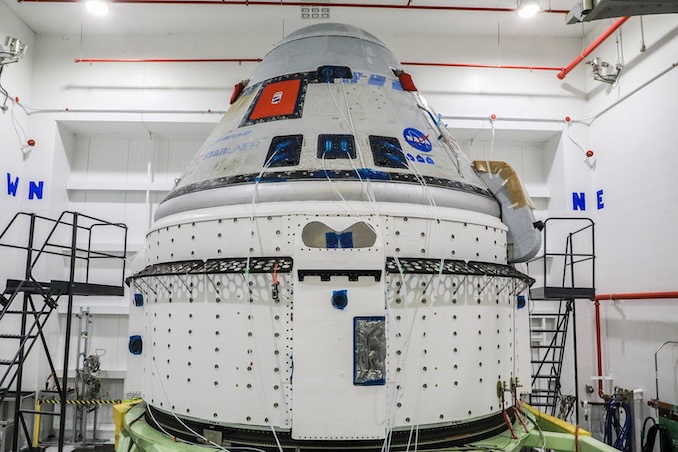
NASA is working with Boeing to launch an unpiloted Starliner capsule in the December-January time frame to test upgrades and improvements ordered in the wake of a 2024 mission that suffered multiple propulsion system failures, stranding two astronauts on the space station for more than nine months.
If the unpiloted test flight goes well, NASA and Boeing hope to launch a piloted Starliner flight in mid 2028, officials said Monday, incorporating redesigned propulsion system valves, more robust subsystems and other modifications expected to prevent the sort of failures that occurred in 2024.
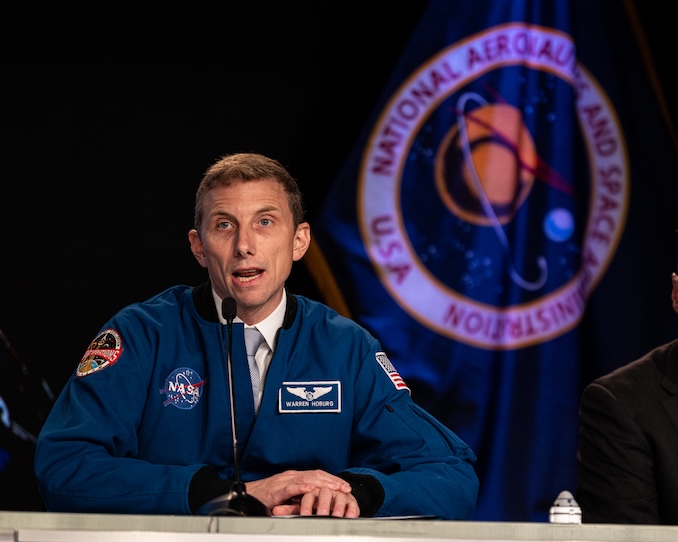
Veteran astronaut Warren “Woody” Hoburg will command the mission, joined by other crew members to be named later.
SpaceX’s Crew Dragon capsule is the only currently operational U.S. astronaut ferry ship. NASA wants to bring Boeing back into the mix as soon as possible to ensure a sustained U.S. capability to carry astronauts and researchers to the International Space Station through its planned retirement in 2030.
Equally important, NASA managers want to make sure an American spacecraft will be available to support flights to commercial space stations later in the 2030s, after SpaceX phases out its Falcon 9 rockets and Crew Dragon spacecraft.
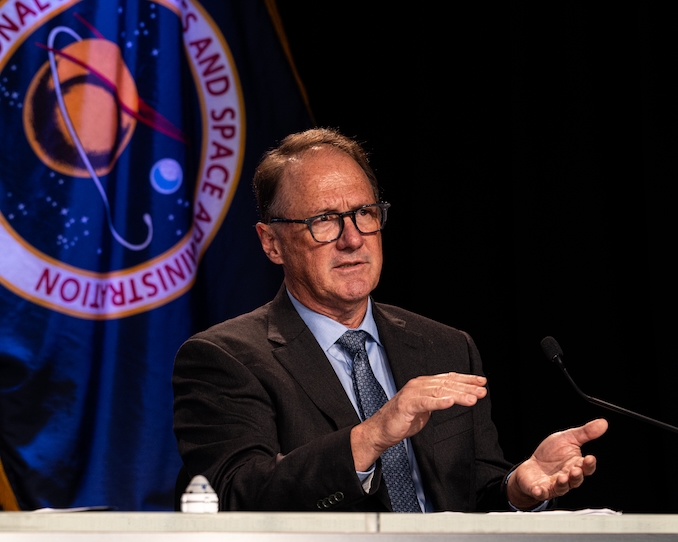
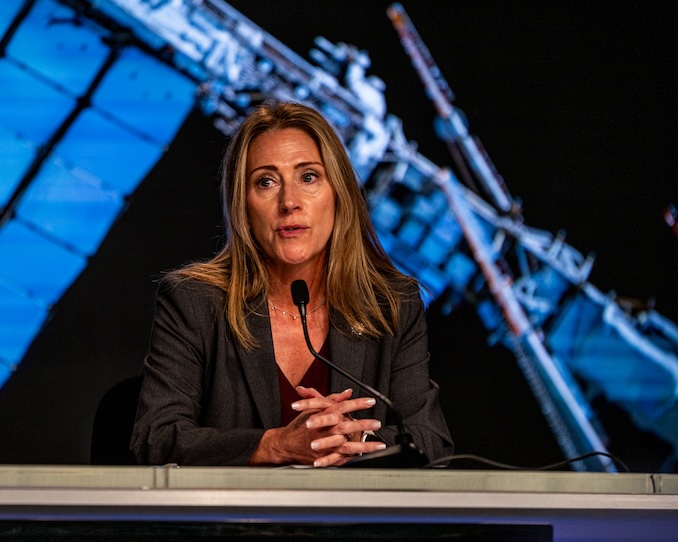
“It’s always been the Commercial Crew Program’s goal to have two crew transportation providers to ensure commercial access to low Earth orbit,” said Dana Weigel, manager of NASA’s low-Earth orbit operations.
“As SpaceX has publicly stated, the Dragon and the Falcon won’t be around forever. Certifying Boeing’s Starliner is important for both supporting ISS and also for follow-on future commercial destinations.”
Said Boeing in a post on the social media platform X: “Together with @NASA, we’re making Starliner hardware enhancements and adding resources for human spaceflight certification. These changes support the spacecraft as a long-term provider of crewed missions to low Earth orbit.”
Astronauts Barry “Butch” Wilmore and Sunita Williams, both now retired from NASA, blasted off aboard a Starliner on June 5, 2024, for what was billed as a 10-day test flight to the International Space Station. It was the first piloted launch of a Starliner after two uncrewed test flights, both of which had problems.
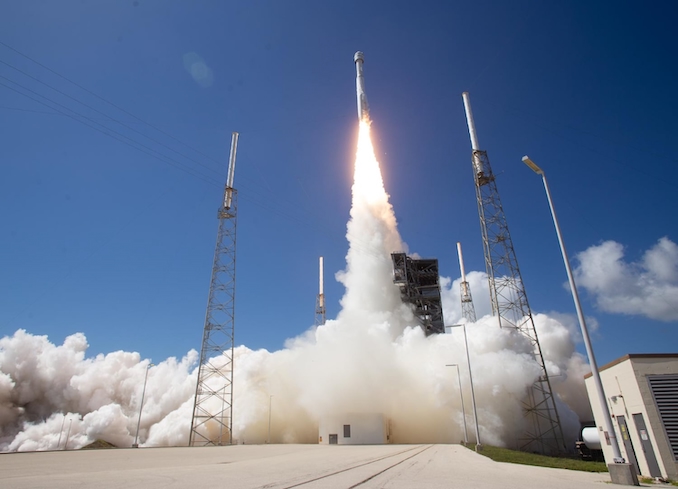
During their rendezvous with the space station, Wilmore and Williams ran into multiple propulsion system helium leaks and thruster failures. They were able to dock, but their return to Earth was repeatedly delayed while NASA and Boeing worked to resolve the technical issues.
An independent review board later classified the propulsion mishaps as a “close call” that put the astronauts in jeopardy.
When all was said and done, the Starliner returned to Earth without its crew three months after launch. Wilmore and Williams stayed an additional six months aboard the station in order to hitch a ride home aboard a Crew Dragon on March 18, 2025. All told, the 10-day flight they expected ended up lasting 286 days.
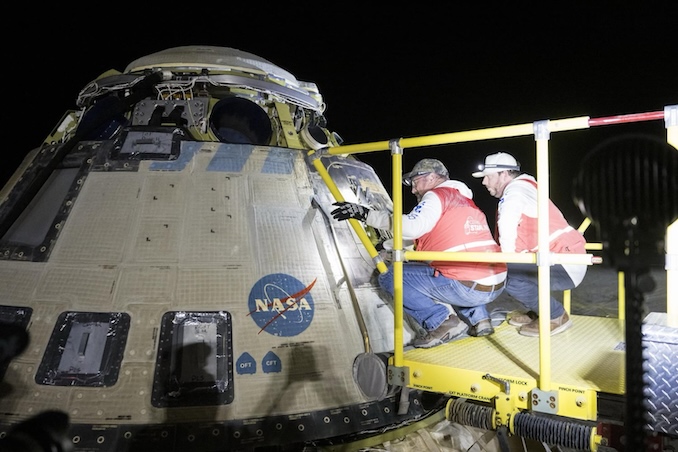
An independent review board identified three major problems with the Starliner, along with a host of less severe shortcomings that had to be addressed.
During the rendezvous with the space station, five thrusters in the capsule’s service module failed, resulting in a temporary loss of full maneuverability. The failures were blamed on trouble with Teflon “poppets” extruding in propellant valves that restricted flow.
A thruster in the Starliner crew module failed during the ship’s unpiloted descent to Earth, leaving the ship without redundancy in a critical system. The third major issue involved helium leaks in the propulsion system pressurization plumbing.
In addition, the board concluded, the Starliner design did not have the required redundancy in the system responsible for the rocket firing needed to drop the spacecraft out of orbit.
Boeing said all of those issues are being addressed, along with operational changes intended to further reduce unexpected heating that contributed to the thruster problems.
The company is replacing the valves in all 12 crew module maneuvering thrusters, along with implementing measures to prevent erosion. The service module thruster poppets are being redesigned. A faster flight data recorder is being added to more precisely measure thruster performance, along with upgraded batteries and improved parachutes.
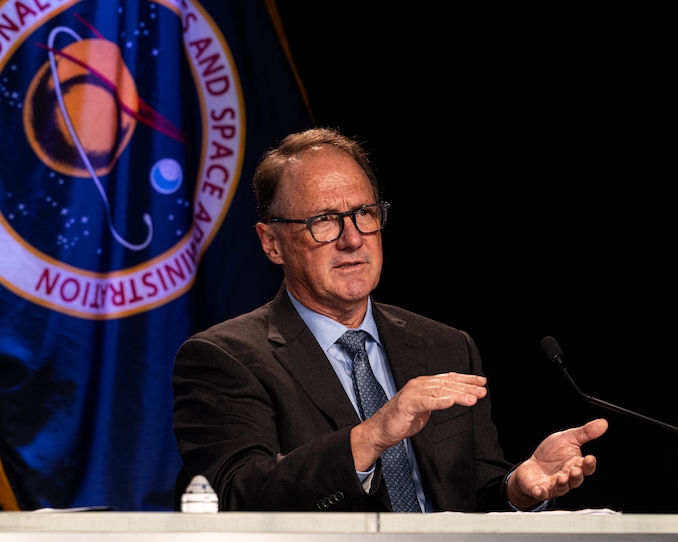
NASA and Boeing now plan to launch an unpiloted mission — Starliner 1 — in December or January that will rendezvous and dock with the space station. Along the way, flight controllers will thoroughly exercise the thrusters and their pressurization systems, putting the fixes to the test.
“Our goal is to fly Starliner One as soon as the vehicle and the team is ready,” Weigel said. “We really need to see how those thermal modifications perform on the spacecraft, and we intend to put the propulsion system through its paces.
“We’ll do a series of on-orbit demonstrations and tests, stress the thrusters, and we’ll take that set of data coming out of the mission combined with redesign, and that’s what will inform the final crewed vehicle certification. We will fly the Starliner One mission with stricter performance parameters in place when we’re flying closer to space station.
“Long term, we are committed to Starliner certification and ensuring commercial crew access to low Earth orbit.”
The Starliner has relied on United Launch Alliance’s Atlas 5 rockets for the ride to space, but only a half dozen of the venerable boosters remain in ULA’s inventory. As a result, NASA plans to help get ULA’s new Vulcan rocket certified to carry astronauts aboard Starliner capsules.
For its part, ULA said in a post on X that “we are already working towards the Starliner-1 mission and look forward to our continued work with @BoeingSpace and @NASA to integrate and certify our #VulcanRocket for human spaceflight.
“We are committed to being a long-term launch provider of human spaceflight capability to low Earth orbit.”