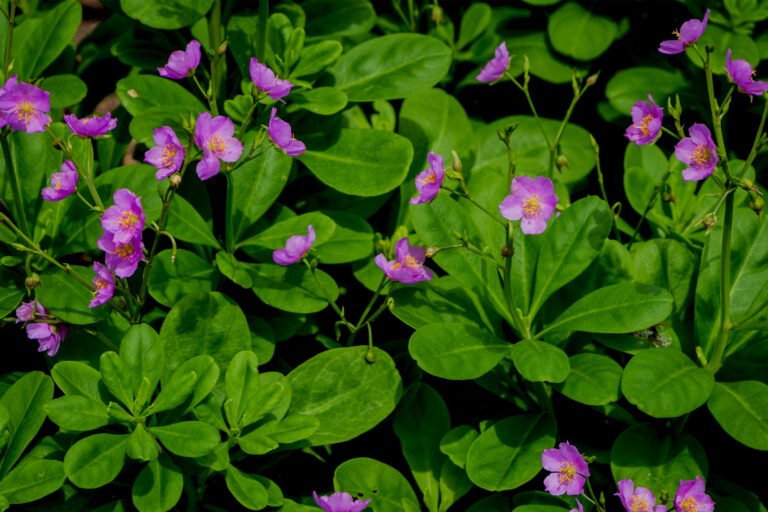
This is Part 1 in a two-part series on Nigerian waterleaf. Part 2 will be published soon. “These are the ones that survived the rain,” Enono Koka said, gesturing at a patch of short, spindly waterleaf plants across her large farm in downtown Calabar, in southern Nigeria’s Cross River. It was an unseasonably sunny morning in early October, and the 33-year-old was harvesting some of the vegetables for breakfast the next day. Most of the crops, she explained, had perished following days of relentless rainfall between August and September. “So I’m only left with these and I’m keeping them to eat with my family in the house,” she said. Much like Koka’s experience, the months since July have been painfully rough for Joy David Okon’s nearby waterleaf farm in Calabar. Before leaving town in September to visit her son, the sexagenarian farmer had sprayed some manure around her farmland to help enrich the freshly planted stems. Then came the disappointment. Her once-flourishing vegetable garden had turned into a marshland thick with weeds by the time she returned. “See the batch I planted in August. See how they keep looking scanty because of the plenty of rains this year,” she said, pointing at a sunken bed of shriveled waterleaf. Taken together, these events hint at the mounting strain on Nigeria’s waterleaf growing cycle brought on by shifts in rainfall patterns. Despite declining annual rainfall in recent years, persistent downpours in coastal cities like Lagos and Calabar have resulted in frequent episodes…This article was originally published on Mongabay