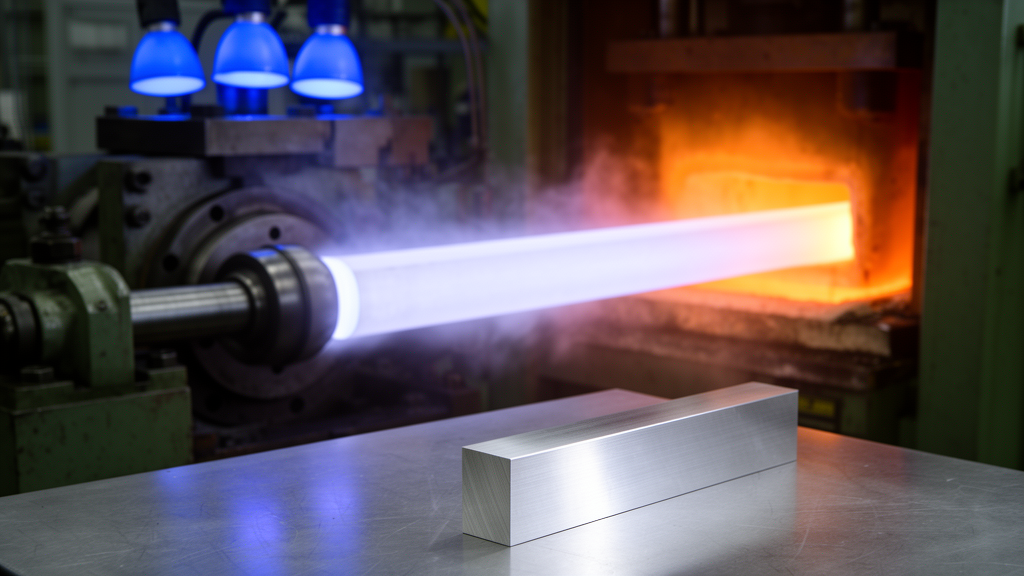
Emerging technologies and smarter production strategies are helping manufacturers streamline operations, improve quality and stay competitive.
The manufacturing industry is changing rapidly as new technologies and ideas reshape how we produce goods. Companies are using automation and advanced materials to improve efficiency, enhance quality, and reduce waste. This field blends creativity and practicality, focusing on real challenges and adapting to a fast-changing world. As businesses face new market demands, they are integrating smart technologies and refining their traditional processes to remain competitive.
One exciting area is how automation and robotics boost productivity. Companies are not just replacing human workers; they are creating tools that help people run operations more smoothly and efficiently. Let’s look at how to take advantage of these innovative ideas in manufacturing.
Smart factories mark a big advancement in manufacturing. They use sensors, IoT devices, and blockchain technology to gather and analyze data in real time, supporting decision-making and improving efficiency. Imagine a production line where machines can communicate and adjust based on real-time feedback. This connection reduces errors and uses resources more efficiently.
In a smart factory, workers can be much more productive. They can focus on important tasks while machines handle routine jobs. Predictive maintenance is also possible. Machines can alert when they need repairs before they break down. This setup maximizes efficiency while letting workers focus on more critical-thinking roles.
3D printing, known as additive manufacturing, is changing how we design and create products. Instead of cutting away material like in traditional methods, 3D printing builds objects layer by layer. This process not only reduces waste but also enables better customization and faster turnaround for prototypes and final products.
Companies can create complex designs that traditional methods wouldn’t allow or would make too expensive. This advancement lets teams quickly adjust and improve designs based on customer feedback. Businesses can even make products on demand, cutting down the need for large warehouses and improving supply chains.
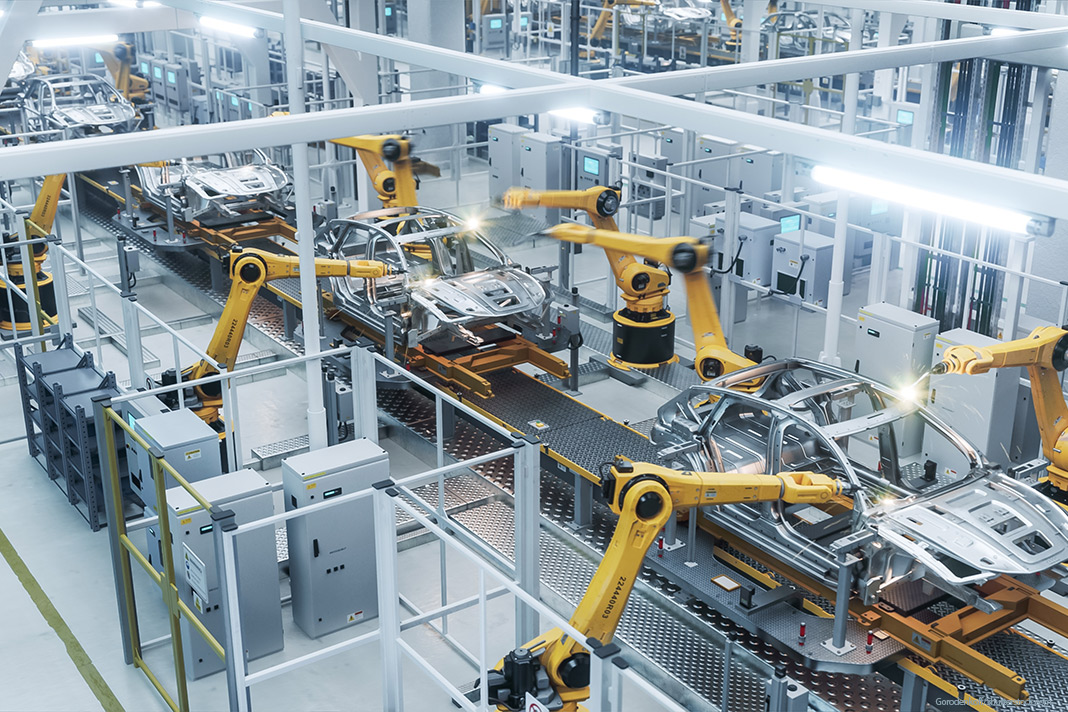
Welding machines are essential in manufacturing. They improve the quality and efficiency of metalwork. Modern technologies, such as robotic welding systems, make welding faster and more precise, making them vital in assembly lines. These machines work continuously and provide consistent results that meet strict quality standards.
Welding machines are versatile and increasingly popular for various uses, including automotive assembly and construction projects. Many machines include advanced features like automated settings and real-time monitoring, ensuring strong, reliable welds. This is crucial in important industries. These innovations also reduce manual labour, allowing technicians to manage multiple welding stations more easily. With new methods like laser and electron beam welding, manufacturers can achieve complex welds that were once difficult to make.
Another important trend is the move towards sustainable manufacturing. Companies see the impact of their work on the environment and want to lower their carbon footprints. They are adopting energy-efficient machines, using eco-friendly welding supplies, and finding ways to reduce waste. Many manufacturers are investing in renewable energy to power their operations, showing a commitment to sustainability that appeals to consumers.
Sustainable practices also open new markets. Eco-friendly consumers prefer brands that prioritize environmental responsibility. By adopting green technologies, manufacturers can attract loyal customers while making a positive impact.
Artificial Intelligence (AI) is becoming essential for manufacturers looking to improve operations. AI can process large amounts of data to find patterns and make predictions, helping manufacturers make better decisions. Whether it’s improving supply chain logistics, forecasting demand, or enhancing quality control, AI offers insights that were previously hard to get.
AI-powered robots can also learn from their environment and adapt to new tasks without needing extensive reprogramming. This adaptability is important in manufacturing, where production lines often shift to meet new demands. Adding AI to manufacturing enhances efficiency and encourages innovation, giving teams data-driven insights for product development.
Collaborative robots, or cobots, assist human operators, boosting productivity without replacing human skills. They can take on repetitive tasks, allowing workers to focus on more complex challenges. Cobots are designed with safety in mind. They can detect human presence and adjust their actions to keep operations safe.
This partnership between human workers and machines creates a positive work environment. Employees can benefit from robots’ efficiency while applying their knowledge and problem-solving skills. This teamwork can improve morale and drive innovation as teams work together to refine processes.
Innovation is vital in manufacturing, and new technologies show a commitment to efficiency, sustainability, and quality. These advancements are changing the workforce and manufacturing processes. Embracing these innovations can create significant opportunities for growth and productivity in manufacturing, making this an exciting time for the industry.