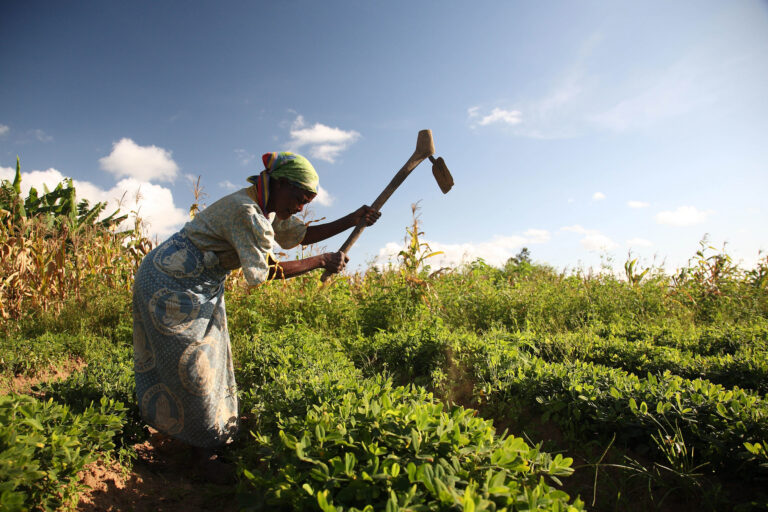
In Malawi’s Chiradzulu district, located in the southern region of the country, Diana Sitima’s farm shows how a combination of agroecology and secure land ownership can create a thriving commercial enterprise. Many neighboring farmers rely primarily on growing and selling maize. But, on her 3.5-hectare (8.6-acre) farm, Sitima combines diverse crops of fruits and vegetables with fishponds and livestock to protect soil health and reduce the need for synthetic fertilizers, reports Mongabay contributor Charles Mpaka. Sitima started farming as a side hustle in 1993 while working as an office assistant. At the time she used microloans to rent small parcels of land. By 2006, she had saved enough to purchase her own property, a move she describes as the most critical step toward her success. In 2026, Sitima’s farm is “almost 100% organic,” she says. She uses a biodigester to turn manure into biogas for cooking and to power an egg incubator, while growing aquatic ferns to supplement livestock feed. “The animals and the crops support each other in various ways,” Sitima tells Mongabay. The farm’s productivity has led to significant economic results. It generates approximately $1,200 in weekly sales and provides permanent employment for six workers. Sitima attributes her growth to persistent learning, having relied on technical advisors from the government for two decades. Beyond her own fields, Sitima serves as a mentor and the chairperson for a local chapter of the Rural Women’s Assembly (RWA), a grassroots network supporting nearly 200,000 small-scale women farmers across 11 countries in…This article was originally published on Mongabay