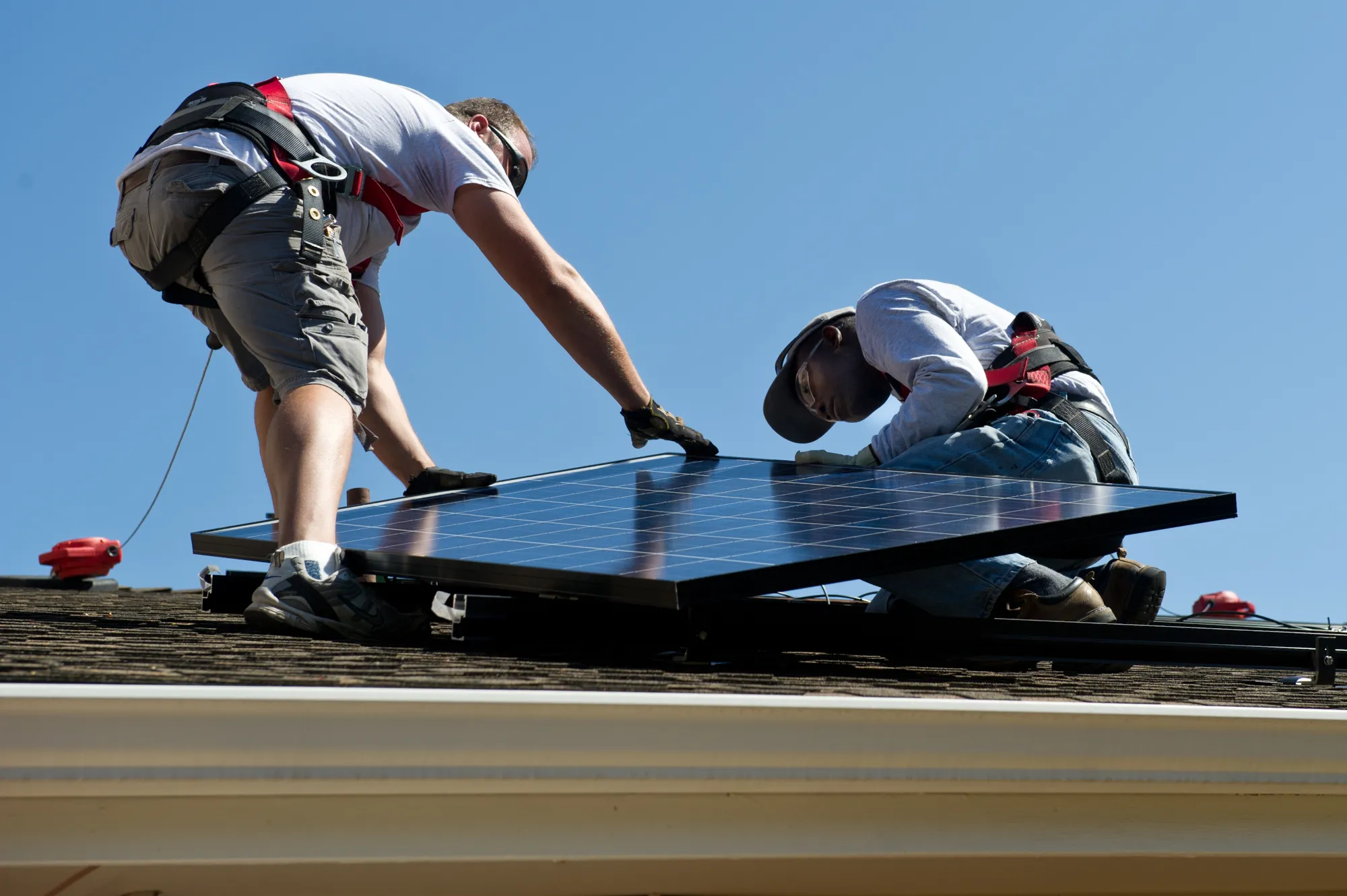

The growing popularity of small-scale solar in New York is creating a noticeable effect on the midday demand for metered electricity with overall load declining in the state, per the U.S. Energy Information Administration (EIA).
The effect is most prominent in the early spring, EIA noted, as solar generation can have an “outsized impact” amid relatively low demand and favorable conditions for solar. Since rooftop and residential solar systems with less than 1 MW of capacity are not usually metered by a utility, utilities are feeling less midday demand, but a “steeper increase” in demand in the late afternoons and evenings as solar systems stop generating.

New York has seen its total solar capacity increase by 5.6 GW since 2018, EIA said, with roughly half of these new additions coming in the form of small-scale solar. These new additions are shifting the times at which the electrical system sees its peak demand: typically, the first peak would occur in the morning as people wake up, and the second in the evening when they return home. With so much new small scale solar generating in the morning as the sun rises, the demand on the grid during that period is lessened. However, demand starts to peak again in the evening as solar generation loses efficiency, and utilities pick up the slack.

In March and April of 2018, hourly electricity demand in New York increased by an average of 850 MW during the three-hour period between 8:00 a.m. and 11:00 a.m., while In 2026, electricity demand during that period decreased by an average a of 923 MW, per EIA. Additionally, in March and April of 2018, early evening electricity demand increased by an average of 681 MW between 4:00 p.m. and 7:00 p.m. By 2026, electricity demand increased by an average of 2,221 MW during those three hours.