
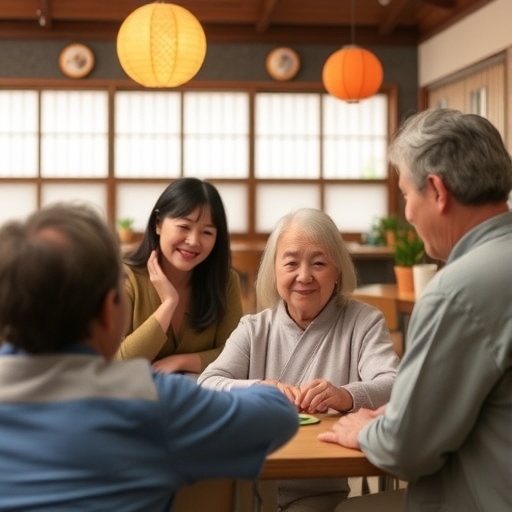
A new qualitative study from Japan spotlights “Team Orange,” a community-based dementia support program designed to help families and caregivers navigate the long, often confusing course of cognitive decline. Reporting experiences from community supporters, researchers use content analysis to map the kinds of practical assistance and emotional context that sustain participation over time.
The work, published in BMC Geriatrics in 2026, frames dementia care as a social ecosystem rather than a strictly clinical pathway. Instead of treating support as a one-off service, the authors examine how community members interpret their roles, negotiate trust, and coordinate informal resources with formal systems such as healthcare and local welfare services.
A key technical element of the paper is its qualitative content analysis approach, which systematically codes narrative data to reveal recurring themes. By organizing supporters’ accounts into structured categories, the study moves beyond anecdotes to identify repeatable patterns of what makes the program workable in real settings.
Researchers also highlight the “experience-to-action” linkage: supporters describe translating empathy into concrete behaviors, including check-ins, guidance on daily challenges, and communication that helps reduce caregiver isolation. In this model, training and program structure appear to shape how supporters respond when families face rapid changes in memory, behavior, and stress levels.
The findings suggest that dementia support benefits from continuity and visibility. Supporters report that ongoing presence—not just episodic help—encourages families to remain engaged and reduces uncertainty about where to turn next. This aligns with wider geriatric trends emphasizing coordinated community care to complement clinical interventions.
Another technical insight concerns how supporters manage boundaries. Content themes indicate that successful involvement often depends on knowing when to escalate concerns, how to document observations, and how to collaborate without displacing professional responsibility. The study emphasizes shared understanding across roles as a mechanism for safer, more consistent support.
Importantly, the program’s community framing may lower barriers to entry. Supporters describe how familiarity within local networks helps dementia conversations feel less stigmatized. That social legitimacy can influence whether caregivers feel comfortable seeking help early rather than waiting until crises worsen.
Overall, the study paints Team Orange as a relational infrastructure for dementia care, where qualitative evidence clarifies what supporters need to sustain motivation and effectiveness. As the field seeks scalable interventions, these findings offer a model for designing community programs that blend technical coordination with human-centered engagement.
Subject of Research: Community-based dementia support programs; supporters’ experiences; qualitative content analysis.
Article Title: Community supporters’ experiences of Team Orange, a community-based dementia support program in Japan: a qualitative content analysis.
Article References: Yokoyama, K., Shimokihara, S., Shimada, K. et al. Community supporters’ experiences of Team Orange, a community-based dementia support program in Japan: a qualitative content analysis. BMC Geriatr (2026). https://doi.org/10.1186/s12877-026-07996-5
Image Credits: AI Generated
DOI: 10.1186/s12877-026-07996-5
Keywords: Community supporters; Team Orange; dementia support program; qualitative content analysis; Japan; caregivers.
Tags: caregiver emotional supportcaregiver training and behavior translationCommunity-based dementia support programsfamily navigation of cognitive declineinformal caregiver resource coordinationlong-term engagement in dementia supportpractical assistance for dementia familiesqualitative content analysis in healthcare researchreducing caregiver isolation through community programssocial ecosystem approach to dementia caresupport program sustainability in Japantrust-building in community support