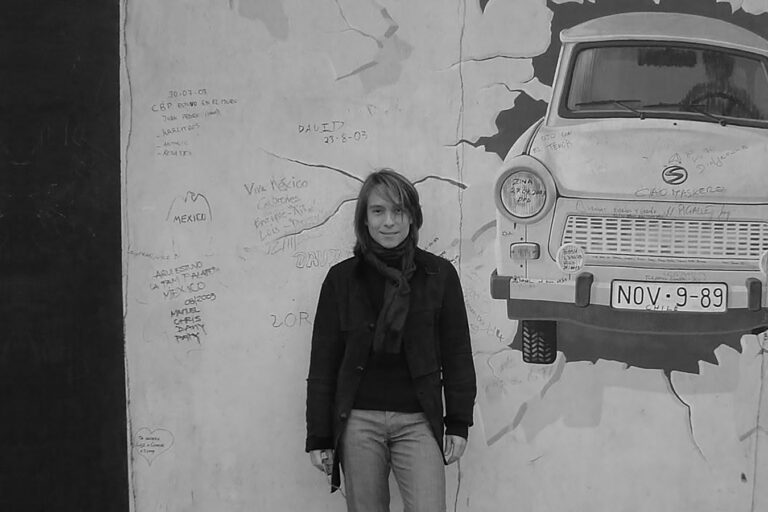
Tourism often reaches small places with large promises. It can bring money to forests, beaches, villages, parks, and old towns. A family guesthouse may become viable. A young person may have a reason to stay. It can help persuade a government that a forest has value if left standing. The same industry can also strain the places it sells. In many places, roads arrive before rules. Hotels take the best land. Water and waste are handled after the money has begun to flow. Wildlife, wages, and culture are folded into the business later, if they are dealt with at all. The traveler leaves with photographs. The community is left with the consequences. Ronald Sanabria spent much of his career between what tourism said it could do and what it actually did. For him, sustainable tourism meant work: credible standards, training, certification, purchasing decisions, local capacity, and steady persuasion. Tourism, he knew, was too fragmented for simple answers. The same trip might involve a hotel, a guide, a tour operator, a booking platform, a transport company, and a village association. The work had to reach those relationships, or sustainability would remain a claim. Sanabria, who died on July 1st, aged 57, was a Costa Rican engineer who became a central figure in sustainable tourism in Latin America and beyond. He joined the Rainforest Alliance in 1998, first in sustainable agriculture. Two years later, he began building its sustainable-tourism program. Over the next two decades, he worked with hotels, tour operators, community…This article was originally published on Mongabay