
We’ve explored how evolving definitions of reliability and resiliency are impacting utilities and their customers, as well as how utilities can drive affordability while cultivating deeper customer engagement. These developments highlight the simple fact that as technology and grid demands have evolved, so have customer expectations.

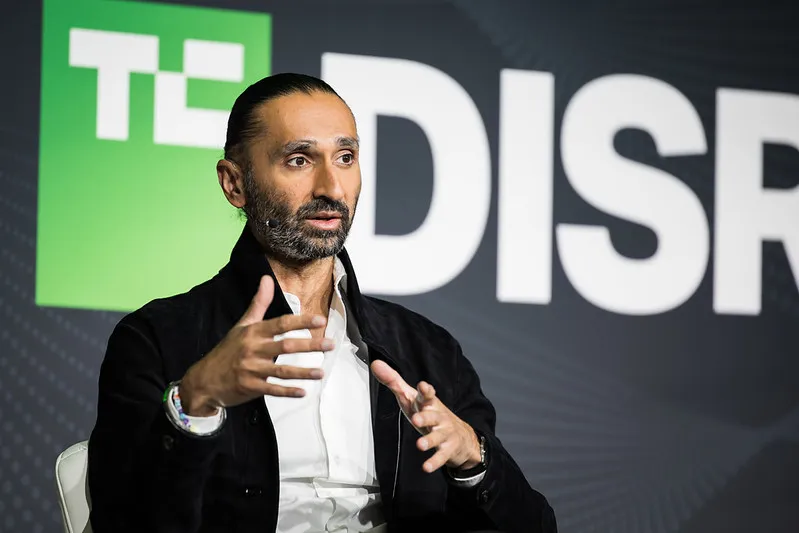
That evolution has defined a shift in how utilities approach their resilience strategies, which is something Mona Fazel of Danovo Energy Solutions has seen firsthand. With over 20 years leading complex enterprise programs across the energy, utility, and oil and gas sectors, Fazel understands the real-world implications of this evolution. It’s a change that is further complicated by the many interpretations of resiliency as a concept, which, unlike standard reliability metrics such as SAIDI and SAIFI, lacks a standardized measurement.
“Modern reliability is the ability to deliver dependable outcomes even when operating conditions are no longer predictable,” said Fazel. “It still includes keeping the lights on, but it also requires the ability to anticipate risk, make timely decisions, adapt across organizational boundaries, and recover without allowing one disruption to cascade across the system.”
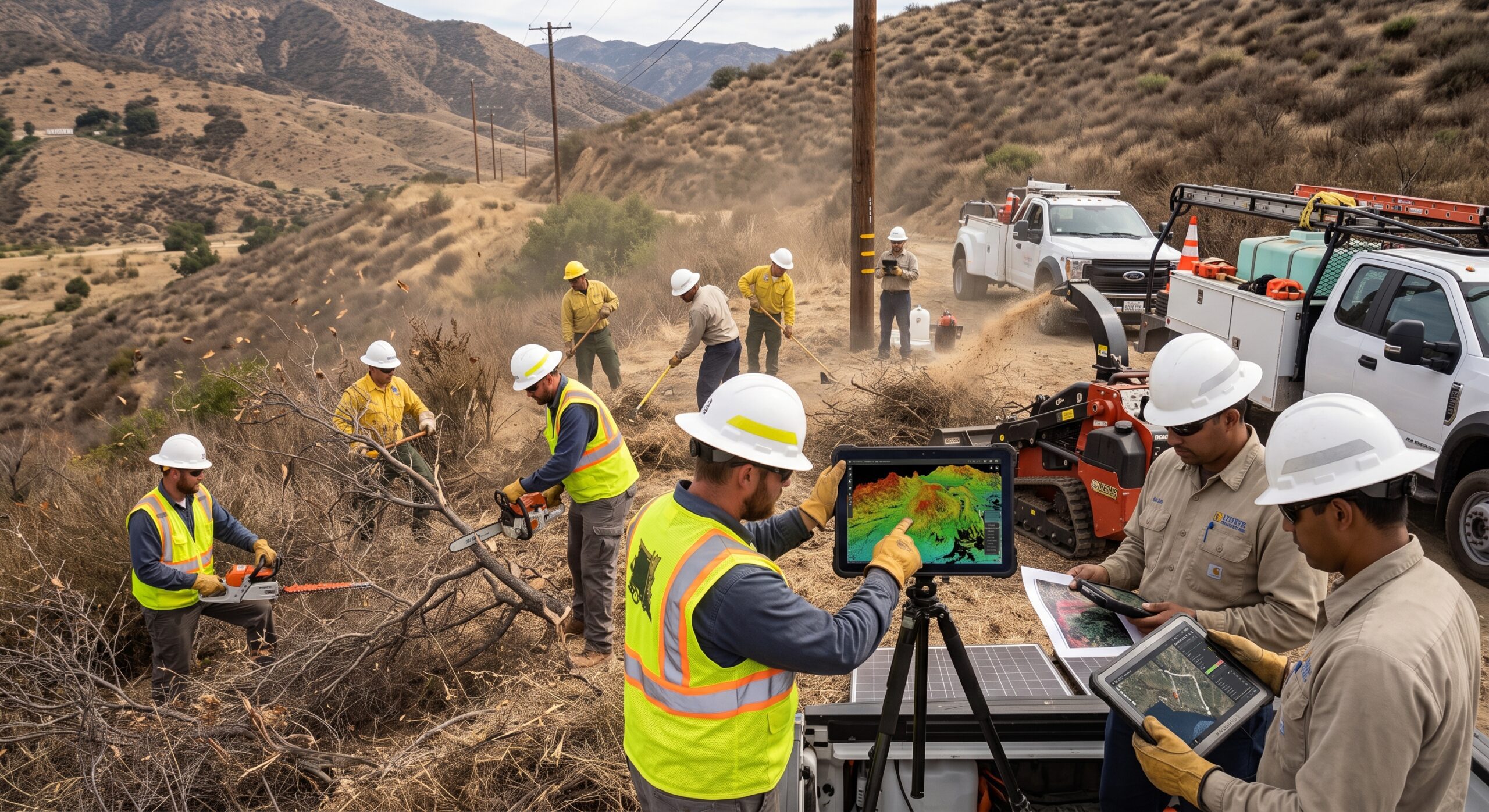
From her vantage point, these utility capabilities are more critical than ever, especially as field teams from across the country deal with elevated wildfire risks and extreme weather events. As these threats intensify, utilities need to strengthen grid resilience by moving beyond siloed responses toward a unified operating model.
To help utility leaders navigate this paradigm shift, Fazel will lead a session titled “Designing an Integrated, Centralized Wildfire Management Organization: Governance, Delivery, and Continuous Improvement” at the upcoming DTECH Reliability & Resiliency event. The need and importance of this shift is easy enough to talk about, but what is the biggest hurdle when it comes to enabling these changes and bridging the gaps that exist between departments and teams?
“Utilities are operating in an environment where past weather patterns, load assumptions, technology configurations, and risk models are no longer sufficient guides to the future,” Fazel told Factor This. “Extreme weather, wildfire exposure, electrification, aging infrastructure, distributed technologies, and growing public and regulatory expectations are converging. Each challenge may be manageable individually; it is their convergence and interdependence that have fundamentally changed the meaning of reliability.”
Combining broad executive perspective with hands-on experience building a centralized wildfire management organization for a North American utility, Fazel’s session will outline how compounding climate risks are forcing a shift in traditional utility operations. Rather than relying on temporary cross-functional committees, she’ll map out a centralized operating model built on clear accountability, explicit decision rights, and rigorous performance oversight.
While the immediate focus is wildfire mitigation, the overarching model that she’ll detail is readily adaptable to any extreme-weather or disaster-response initiative.
“Attendees can expect a practical framework for moving beyond a traditional cross-functional committee toward an integrated, centralized Wildfire Management Organization and governance framework,” Fazel said. “The session will explore how utilities can clarify accountability, improve prioritization and cross-functional visibility, strengthen execution oversight, and build continuous improvement into wildfire mitigation. While the framework is grounded in wildfire resilience, many of its principles can also be applied to other extreme-weather and disaster-management programs.”
Learn more about the Governance, Delivery, and Continuous Improvement session taking place at DTECH Reliability & Resiliency, or register for the event.