
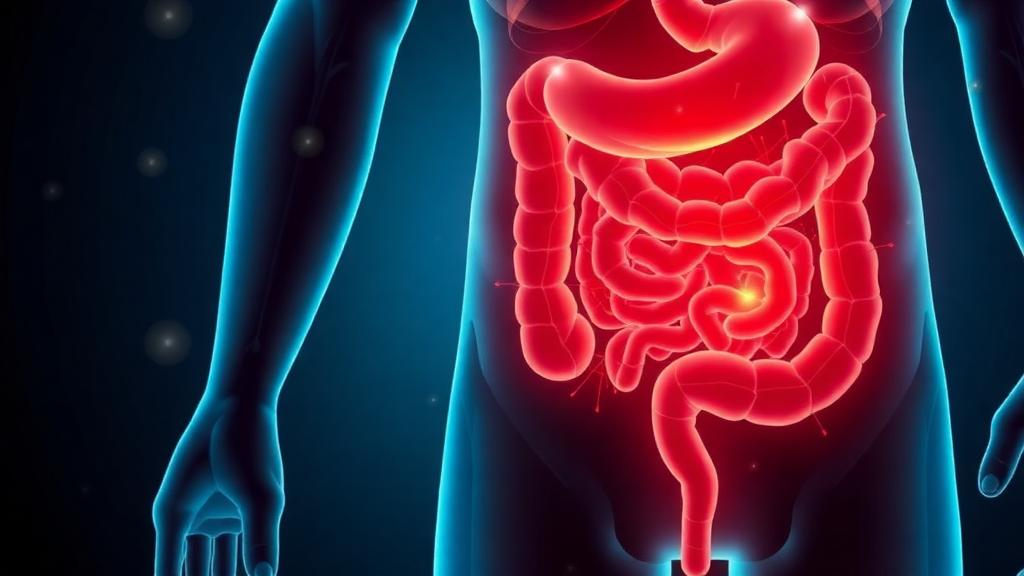
Crohn’s disease has long been treated as a puzzle with too many pieces: a leaky gut lining, an immune system stuck in overdrive, and a microbial community gone awry. A new narrative review published in Immunity, Inflammation and Disease argues that these are not three separate problems but three nodes in a single, self-reinforcing circuit, and that understanding the circuit, rather than any one node, may be the key to designing treatments that actually hold. The review, which synthesizes mechanistic studies, clinical trials and high-quality literature published between 2009 and 2025, proposes what its authors call a tripartite feedback-loop framework for the disease.
The first node is the intestinal epithelium, the single-cell-thick lining that decides what passes from the gut lumen into the body. Its integrity depends on tight junctions built from proteins such as claudins and occludins, on a protective mucus layer, and on antimicrobial peptides secreted into the lumen. In Crohn’s disease, disruption of these tight junctions produces the phenomenon known as leaky gut: paracellular leakage that allows microbial antigens to cross into the lamina propria, where they encounter the immune system. Pro-inflammatory cytokines such as tumor necrosis factor-alpha and interleukin-6 can worsen the damage, and a decline in Wnt/beta-catenin signaling, a pathway essential for epithelial proliferation and differentiation, may impair mucus synthesis and tissue repair. The result is a barrier that fails precisely when the tissue needs regeneration most.
The review emphasizes that epithelial cells are not passive bricks in a wall. They actively participate in immune surveillance, secreting cytokines and chemokines such as interleukin-8 that recruit neutrophils to inflammatory sites. When pathobionts such as adherent-invasive Escherichia coli remodel this crosstalk, the recruitment and activation of immune cells becomes distorted, protective pathogen-clearance responses falter, and inflammation deepens. Meanwhile, intracellular signaling systems including NF-kappaB, Notch and PI3K/Akt govern how epithelial cells proliferate, differentiate and respond to stress; NF-kappaB activation during inflammatory interactions can remodel cytokine production and downregulate tight-junction expression, compounding the very barrier defect that triggered it.
The second node is the immune system. In Crohn’s disease, the balance between pro-inflammatory cytokines such as TNF-alpha and interleukin-6 and anti-inflammatory mediators such as interleukin-10 and transforming growth factor-beta tips sharply toward inflammation. T helper 17 cells expand, interleukin-17 mediates tissue injury, and regulatory T cells, the custodians of immune tolerance, lose ground. Chemokines such as CCL2 and CXCL10, which normally direct monocytes and T cells to sites of infection, instead orchestrate a chronic influx of activated immune cells into the gut wall. The review stresses that restoring inflammatory balance without disabling the immune system’s ability to fight infection remains one of the central therapeutic challenges in the field.
The third node is the gut microbiota. In Crohn’s disease, microbial diversity falls, beneficial short-chain fatty acid-producing members of the phylum Firmicutes are depleted, and potential pathobionts, most notably adherent-invasive E. coli, expand. This matters because microbial metabolites are among the most important chemical messengers between the microbiota and the host. Short-chain fatty acids such as acetate, propionate and butyrate, produced by the fermentation of dietary fiber, serve as the primary energy source for colonic epithelial cells, upregulate tight-junction expression, and promote the differentiation of regulatory T cells while suppressing pro-inflammatory Th17 responses through histone deacetylase-dependent mechanisms. When butyrate-producing taxa vanish, the epithelium loses fuel, the immune system loses a brake, and tolerance gives way to activation.
The heart of the review is its description of three positive feedback loops that weld these nodes together. In the IL-23/Th17 axis, interleukin-23 drives Th17 polarization, leading to interleukin-17 secretion, epithelial barrier disruption, microbial translocation and sustained IL-23 release. In the TNF-alpha-driven pathway, TNF-alpha disrupts epithelial tight junctions, enabling pathobiont translocation, TLR4/NF-kappaB activation and amplified TNF-alpha production. In the SCFA depletion cycle, reduced short-chain fatty acid levels impair regulatory T cell differentiation, promoting Th17 dominance, inflammation and further depletion of the very microbes that produce these metabolites. Each loop can, in principle, start anywhere, and once running, any one of them can keep the others alive.
This circuit model carries a pointed therapeutic implication: single-pathway drugs can be highly effective in selected patients, yet persistent activity in other compartments of the circuit may explain why some responses are incomplete or not durable. The clinical evidence reviewed supports this reading. The IL-23 inhibitor risankizumab produced greater endoscopic response than placebo at week 52 in patients with moderate-to-severe Crohn’s disease, including those who had failed anti-TNF therapy, with a relative risk of 3.40 in the ADVANCE/CD-101 program. The oral JAK1 inhibitor upadacitinib demonstrated efficacy for both induction and maintenance in phase 3 trials. For perianal fistulizing disease, darvadstrocel, an adipose-derived stromal-cell therapy, achieved fistula resolution in 56 percent of patients at 24 weeks in the ADMIRE-CD II trial and has been authorized in the European Union and Japan.
Non-drug strategies fit the same framework. The Crohn’s Disease Exclusion Diet, which removes specific food components, has shown efficacy for inducing and sustaining remission in randomized trials of patients with mild-to-moderate disease over 12 to 24 weeks, plausibly by reshaping the microbial and metabolic arm of the circuit. Fiber-rich diets that promote Bifidobacterium and Lactobacillus, SCFA supplementation, and probiotics targeting butyrate-producing taxa all aim to restore the microbial node. The review also flags a broader metabolic dimension: shared pathways involving dysbiosis, barrier impairment and chronic low-grade inflammation suggest that conditions such as Type 2 diabetes and metabolic syndrome should be viewed as potential modifiers of the epithelial-immune-microbiota axis rather than incidental comorbidities.
The framework is explicitly hypothesis-generating rather than a clinical guideline, and the authors are candid about its limits. Animal models such as TNF-delta-ARE mice and AIEC-colonized rodents capture fragments of the disease but none reproduces the full polygenic susceptibility, transmural inflammation and relapsing course seen in patients. A long-standing controversy remains over whether dysbiosis is a primary cause or a secondary consequence of inflammation; the review’s integrative position is that dysbiosis may act as a primary driver in young-onset or treatment-naive disease while functioning mainly as a disease-perpetuating amplifier once inflammation has established a permissive microbial niche. Environmental factors, including high-fat diets and psychological stress, can push the network in either direction by reshaping microbial composition and mucosal immune competence.
Where the framework becomes actionable is in measurement and stratification. Each node of the circuit can be paired with observable indicators: intestinal permeability markers, endoscopic and transmural healing, fecal calprotectin, cytokine profiles, microbial diversity, pathobiont enrichment and metabolite levels. Longitudinal profiling of these measures could, in principle, sort patients into barrier-dominant, immune-dominant, microbiota-dominant or mixed phenotypes, each pointing toward a different therapeutic priority. Multi-omics platforms combining shotgun metagenomics, metabolomics and proteomics, together with machine-learning models such as those predicting endoscopic response to ustekinumab from genomic and transcriptomic data, and AI-assisted endoscopy systems like EndoBrain and CAD-EYE, are already moving in this direction, though the authors caution that most current biomarkers capture only one dimension of disease biology and that cross-sectional observations cannot reliably distinguish primary drivers from secondary consequences. The STRIDE-II treat-to-target recommendations, which emphasize endoscopic healing and, in selected settings, transmural assessment by intestinal ultrasound or MRI, provide the monitoring backbone. What remains to be proven, through longitudinal validation and controlled trials, is whether treatments chosen by mechanism rather than by convention genuinely deliver more durable mucosal healing, lower relapse risk and better lives for people with Crohn’s disease.
Subject of Research: The interplay of epithelial barrier dysfunction, immune dysregulation and gut microbiota dysbiosis in Crohn’s disease pathogenesis and therapy
Article Title: Tripartite Interplay of Epithelial, Immune, and Microbiota Dysregulation in Crohn’s Disease: Mechanisms and Translational Strategies
Article References: Lai, Q., Zhang, Q.-Y., Yang, W.-P., & Luo, C.-Y. (2026). Tripartite Interplay of Epithelial, Immune, and Microbiota Dysregulation in Crohn’s Disease: Mechanisms and Translational Strategies. Immunity, Inflammation and Disease, 14(10), Article e70538. https://doi.org/10.1002/iid3.70538
Image Credits: AI Generated
DOI: 10.1002/iid3.70538
Keywords: Crohn’s disease, intestinal epithelial barrier, gut microbiota, Th17 cells, IL-23, TNF-alpha, short-chain fatty acids, AIEC, JAK inhibitors, risankizumab, dysbiosis, precision medicine
Tags: AIECCrohn’s diseasedysbiosisgut microbiotaIL-23intestinal epithelial barrierJAK inhibitorsPrecision Medicinerisankizumabshort-chain fatty acidsTh17 cellsTNF-alpha