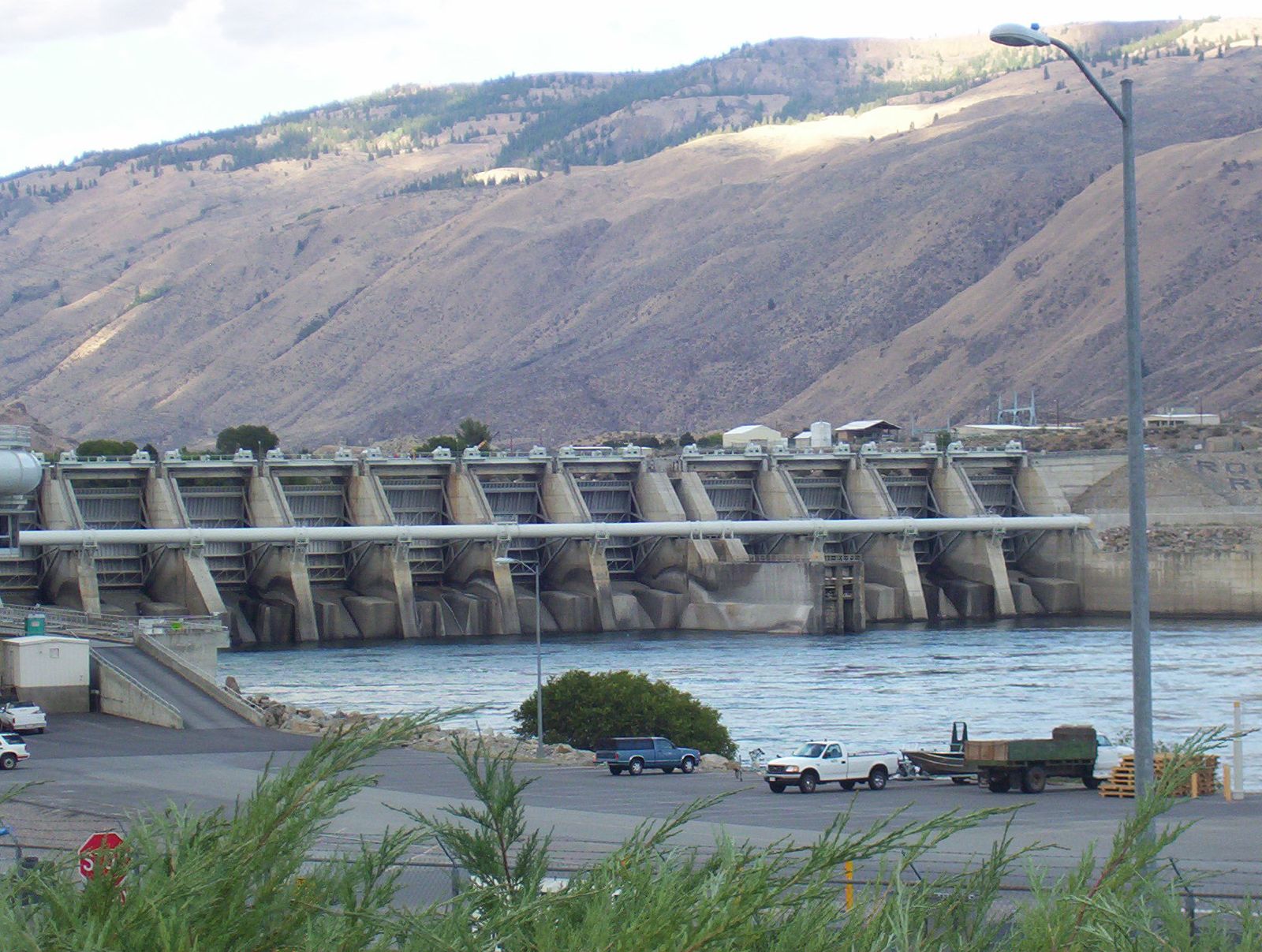

The U.S. Department of Energy’s (DOE) Hydropower and Hydrokinetic Office (H2O) has awarded $5.5 million in total funding to 11 U.S. National Laboratory projects that are meant to help expedite and reduce the cost of licensing and relicensing American hydropower facilities.
The lab call, issued earlier in 2026, focused on projects that would shorten the time that stakeholders take to reach consensus when discussing a given project.
“For over 100 years, hydropower has been a pillar of American energy, supplying reliable, affordable power across the nation,” said H2O Director Nichole Fitzgerald. “The projects selected today will not only help ensure the continued operation of America’s hydropower plants but also keep permitting and relicensing costs down for operators so they can pass those saving along to ratepayers.”
The projects chosen under the Streamlining Hydropower Permitting lab, with work timelines ranging from 1-3 years, cover topics including innovation in fish passage, environmental monitoring, effective mitigation technologies, and more. The projects funded by this lab call are intended to help streamline licensing and relicensing at key points in the process through tools, datasets, and plain-language information resources.
Permits for hydropower facilities issued by the Federal Energy Regulatory Commission run between 30 and 50 years but require “rigorous and expensive impact and evaluation studies” to receive and maintain their license, DOE said, and the selected projects could help overcome these barriers by advancing tools to help navigate these processes.
On the legislative side of the matter, lawmakers hoping to improve U.S. hydropower production landed on a common enemy: bureaucratic red tape. Several bipartisan bills have recently been introduced in the House and Senate, largely aimed at addressing licensing and permitting processes that have caused headaches and delays for the hydro workforce.
“It’s rare to see so many lawmakers from different parties and regions united on behalf of a common cause, but that’s what makes hydropower so unique,” said the National Hydropower Association’s senior director of legislative affairs, Matthew Allen. “Hydro’s dependable power and critical infrastructure can help lower Americans’ bills and provide good jobs for generations of families. But the current, outdated licensing process is slowing down new construction and threatens around 16 gigawatts (GW) of hydropower going through relicensing in the next decade.”
Idaho National Lab will work with partners from Pacific Northwest National Laboratory to develop a report that defines “add-on pumped storage hydropower,” clarifies the categories of potential impacts that are relevant and similar between designs, and provides a process to evaluate potential environmental impacts of “add-on” pumped storage, which is a type of retrofit where a second reservoir is added to an existing dam to increase storage. The aim is to create a citable resource that serves as the starting place for site specific assessments. This project will also receive in-kind support from the National Hydropower Association and the Tennessee Valley Authority.
The Pacific Northwest National Laboratory will develop a fish passage risk screening tool as well as a method to identify solutions for monitoring and mitigation. The project will assist hydropower plants with fish species of concern by providing a method to scale site-specific information to larger scales of interest to regulators when setting requirements for fish passage survival.
The project team will leverage investments from the United States Army Corps of Engineers in fish monitoring in the federal Columbia River Hydropower System to support the development of less costly tools for the entire U.S. that do not require large monitoring investments. This project will receive additional in-kind support from partners at Grant County Public Utility District, FirstLight Power Services, Eagle Creek Renewable Energy, Technical University of Munich, Carleton University, and ANDRITZ Hydro.
The Pacific Northwest National Laboratory, working with United States Army Corps of Engineers (USACE), will aim to “significantly improve” computational efficiency in USACE’s HEC-ResSim and related modeling tools to optimize power generation with an application of novel AI tools to show how to better meet operational constraints. The team hopes this will enable more accurate generation estimates and faster ensemble-based reservoir operations analysis.
The National Laboratory of the Rockies (NLR), working with the Norwegian University of Science and Technology (Renew Hydro), will utilize a suite of NLR developed pumped storage hydropower (PSH) modeling tools with Norway data to clarify development opportunities and best practices for siting PSH projects. The work will focus on refining standardized, data-driven methods and analytical approaches that support “clear and efficient licensing pathways” in both countries. The team sees use of Norway as a partner as key, because the PSH modeling tools can be openly tested in a low-risk environment to American PSH owners, operators, and developers.
The Pacific Northwest National Laboratory will synthesize six years of juvenile Pacific lamprey (a species of concern with tribal cultural significance) studies across the Lower Snake and Columbia River hydropower system to identify fish migration bottlenecks, quantify fish survival and predation risk, and deliver a system-wide, decision-ready Action Plan for United States Army Corps of Engineers (USACE), tribal partners, and regional non-federal hydropower managers that supports tribal interests. This project will receive in-kind support from USACE, the Columbia River Inter-Tribal Fish Commission, and the Yakama Nation.
A full list of projects is available here.