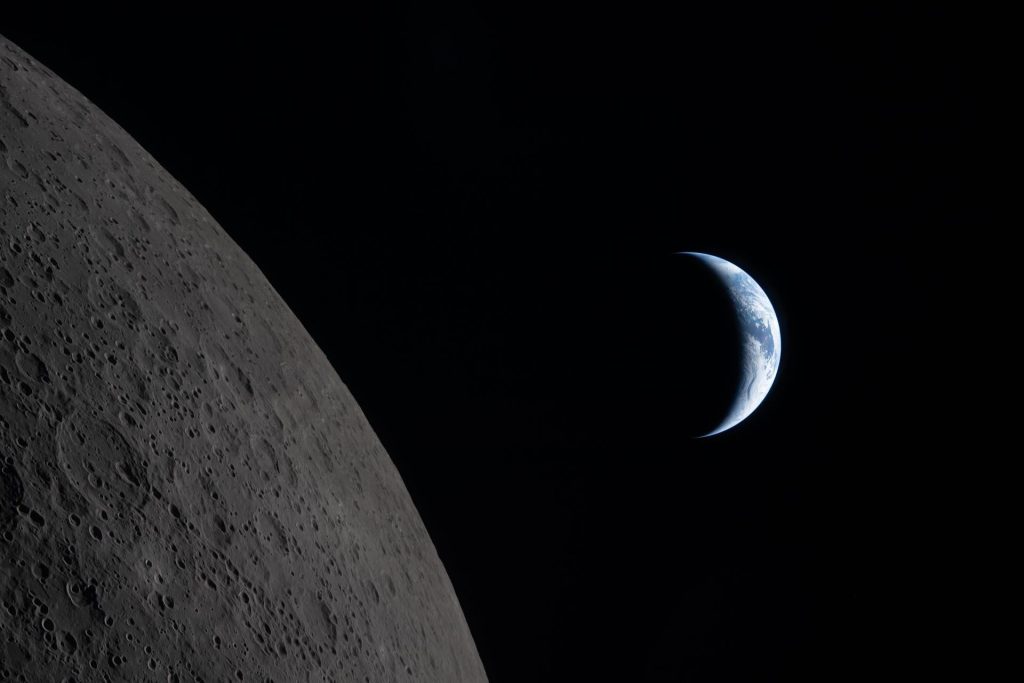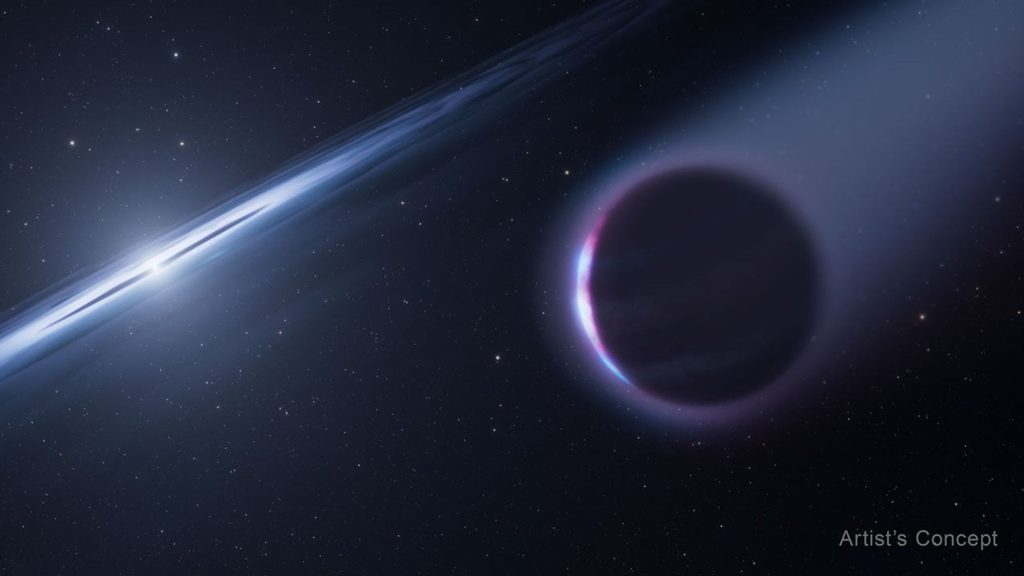
Searching for habitable worlds beyond our solar system consists of more than just having it orbit within its star’s habitable zone, which is the region where temperatures could be just right for liquid water to exist on the surface. On Earth, where water comprises approximately 75 percent of the planet’s surface, life is absurdly abundant. But what about the exoplanet’s star, specifically its activity and rotation? How could this influence how exoplanets are identified for current and future missions?
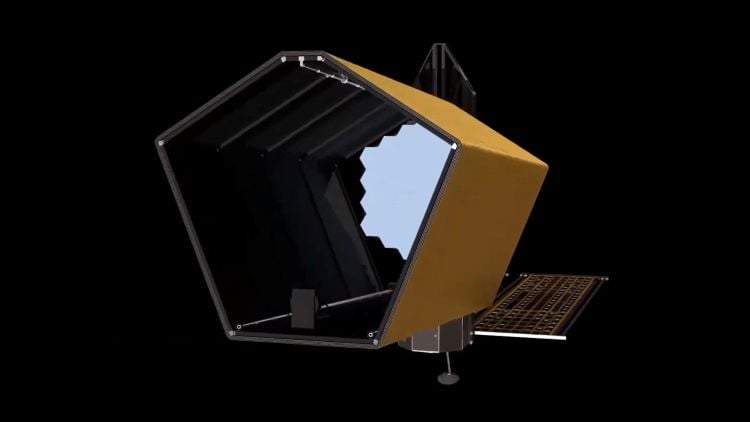
Now, an international team of scientists are discussing a new method for cataloging stars that could be used for fine-tuning the search for habitable exoplanets. In a recently submitted study, the team focuses on refining the exoplanet target list for the planned Habitable Worlds Observatory (HWO). HWO is a planned high-profile mission not slated to launch until the 2040s, but scientists are eager to build its target list long before the spacecraft launches. This is because HWO’s primary science objective is to directly image Earth-sized exoplanets that orbit in their star’s habitable zone, making HWO arguably one of the most anticipated missions in the search for habitable exoplanets.
For the study, the researchers conducted an extensive literature review of past studies discussing scientific knowledge of stars throughout the galaxy, specifically a star’s activity and rotation properties. A star’s activity includes space weather that could cause flares, sunspots, while rotational properties are important for understanding a star’s magnetic field activity. Scientists have determined that both characteristics could interfere with identifying Earth-sized exoplanets that could be orbiting in a star’s habitable zone.
In the end, the researchers combined all this star data they collected from the literature review into a new Activity and Rotation Catalog (ARC), whose primary purpose is to narrow potential HWO targets. A secondary purpose for ARC will be to address unanswered research questions regarding star activity and rotation properties. This is because the researchers found that while about 70 percent of stars in target systems for HWO have had their stellar and magnetic activity measured, only about 20 percent have had their activity cycles measured. For context, our Sun has a cycle of about 11 years where its stellar and magnetic activity increases and decreases in one big cycle. Essentially, only about 20 percent of HWO target stars have had long-term data measured.
The study notes in its summary, “Understanding and constraining stellar magnetic activity is important for interpreting observed planetary atmospheres with future direct imaging missions, such as the HWO. Stellar activity can mimic or hide planetary signatures, and can affect our ability to interpret spectra that includes contributions from both the star and the planet. In this work, we aimed to assess our current understanding of stellar activity and rotation in preparation for HWO and other future direct imaging missions.”
As noted, HWO isn’t slated to launch until the 2040s, but this isn’t stopping the scientific community from discussing and dreaming about the types of Earth-like exoplanets this much-anticipated future space telescope could identify. Most recently, a team of researchers discussed whether HWO should have a high-resolution spectrograph, with a spectrograph being an instrument that splits light into different wavelengths to identify various characteristics of objects and materials. Also recently, astronomers discussed how HWO should use a known alternative method called astrometry for measuring an exoplanet’s weight, which they discuss holds benefits over radial velocity, which is one of the most well-known methods of measuring an exoplanet’s weight.
How will ARC help researchers identify and confirm habitable worlds and how will HWO help search for these habitable worlds in the coming years and decades? Only time will tell, and this is why we science!
As always, keep doing science & keep looking up!