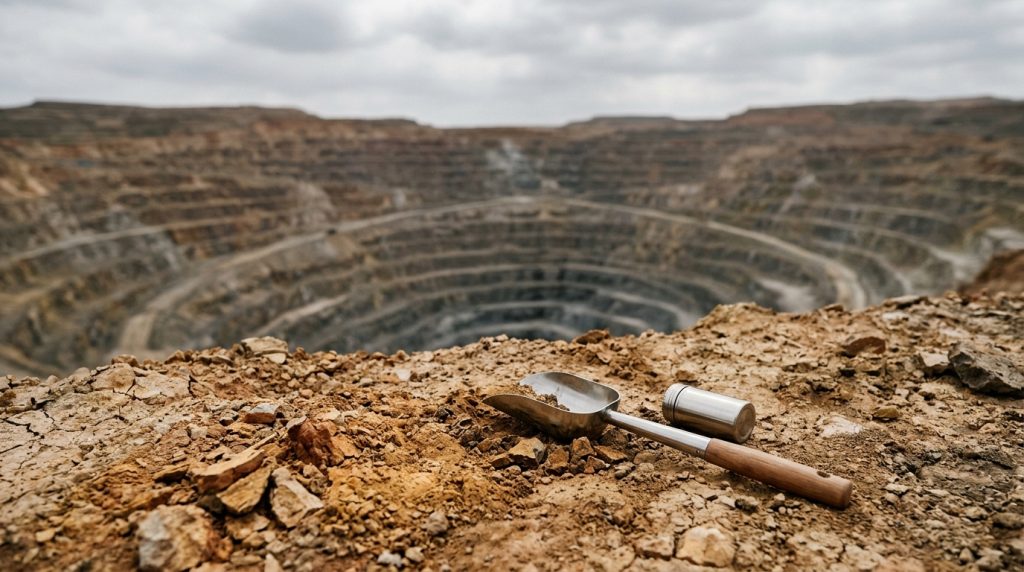
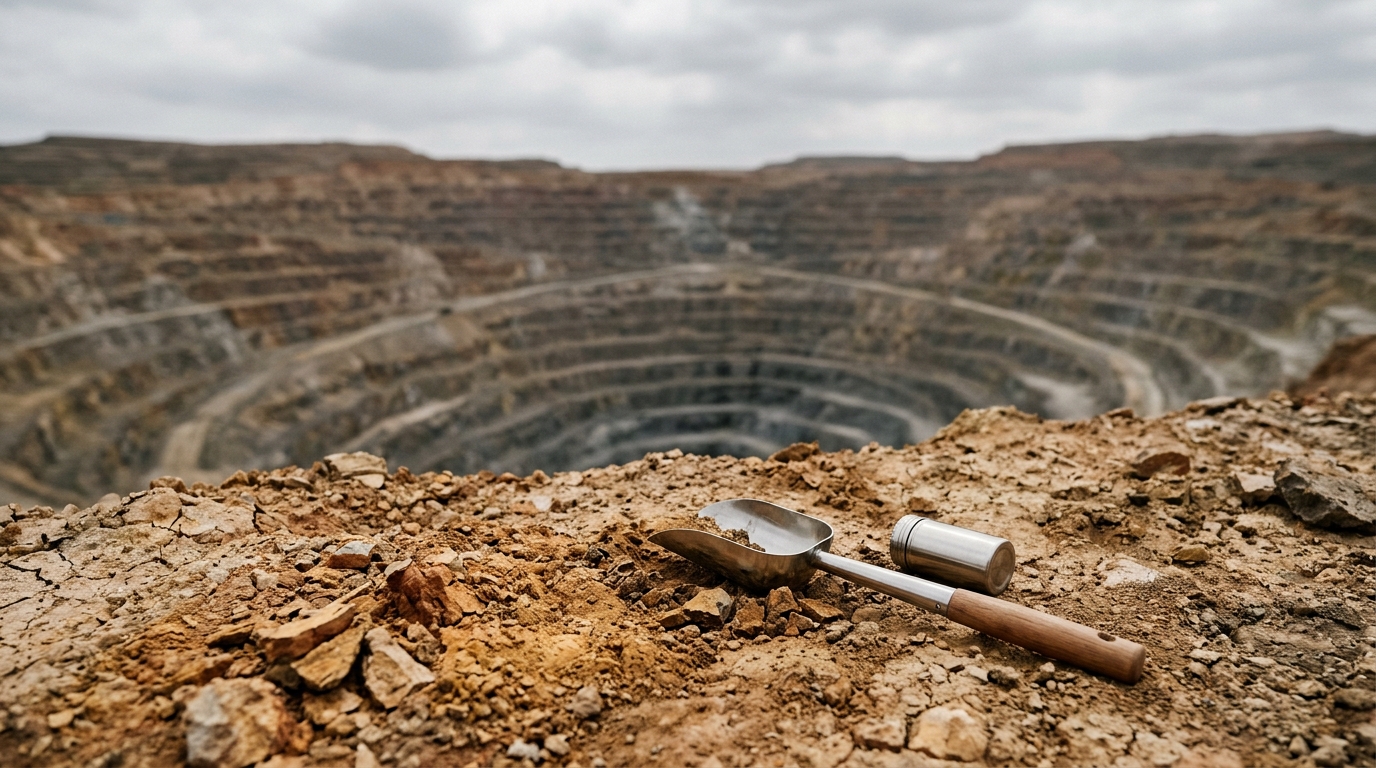
Soils around a mixed iron–niobium–rare earth mining complex in North China contain potentially toxic elements whose health risk depends less on their total concentrations than on how readily they dissolve in the human digestive tract, according to a study published in Environmental Geochemistry and Health. The research, led by Rui Ji and colleagues, examined soils from the mining area and the associated mineral processing and smelting area, combining pollution indices with two laboratory digestion tests that mimic human stomach conditions to estimate how much of the soil-borne cadmium, lead, rare earth elements and other contaminants could dissolve during ingestion.
The team measured total concentrations and chemical fractions of potentially toxic elements and rare earth elements, then calculated the geoaccumulation index and the potential ecological risk index to grade pollution severity. To estimate oral exposure, they applied the Physiologically Based Extraction Test and the In Vitro Gastrointestinal digestion method, both of which simulate the acidic environment of the digestive system and allow researchers to estimate the bioaccessible fraction, meaning the proportion of an element that can dissolve from soil particles into digestive fluids and therefore potentially be absorbed.
The results show a clear spatial pattern. Overall pollution levels and potential ecological risk were higher in the mining area than in the mineral processing and smelting area. Among the potentially toxic elements, cadmium and lead emerged as the primary contaminants of concern. Rare earth elements were also enriched in the soils, with light rare earth elements accounting for more than 94 percent of the total rare earth burden. However, the bioaccessibility measurements revealed an asymmetry between the two element groups: while rare earth elements were abundant in absolute terms, they showed generally low bioaccessibility, meaning relatively little of the soil-bound rare earth inventory would dissolve in gastric fluid and become available for absorption.
Cadmium told a very different story. Its gastric-phase bioaccessibility reached 82.58 percent when measured with the Physiologically Based Extraction Test and 93.01 percent with the In Vitro Gastrointestinal method. In practical terms, this means most of the cadmium in these soils is held in chemical forms that dissolve readily under stomach acidity rather than locked inside resistant mineral structures. This matters because risk assessments relying solely on total concentrations treat every chemical form of an element as equally absorbable; such an approach can overstate exposure for elements with low solubility, while for cadmium in these soils it appears to be a reasonable approximation of the absorbed dose.
The health risk calculations quantified this distinction. Based on total concentrations, the hazard index, a summed measure of non-carcinogenic risk across elements and exposure pathways, was 0.102 for adults and 0.945 for children, with the child figure sitting just below the conventional threshold of 1.0. When the researchers adjusted these calculations using the measured bioaccessibility values, the hazard index dropped to 7.96×10⁻³ for adults and 7.43×10⁻² for children, a reduction of approximately thirteenfold. This steep decline reflects the fact that many of the enriched elements, particularly the rare earths, contribute far less to the absorbed dose than their total concentrations would imply.
Carcinogenic risk was assessed separately for elements with recognised carcinogenic potential. The adjusted total carcinogenic risk values were 3.61×10⁻⁶ for adults and 8.43×10⁻⁶ for children, with nickel and arsenic identified as the major contributors. The bioaccessibility-adjusted approach changes which elements are flagged as priorities: rather than simply ranking contaminants by total soil concentration, the method highlights those whose chemical forms make them genuinely available for absorption.
The study’s central argument is methodological. By integrating index-based pollution assessment with bioaccessibility-adjusted health risk assessment, the researchers show that the two approaches together improve the identification of priority risk elements and high-risk sites in mining-impacted soils. Total concentration surveys alone cannot adequately reflect elemental mobility or potential oral exposure. For remediation planning around this and similar mining complexes, the practical implication is that cadmium and lead warrant the most attention, while the abundant but poorly soluble rare earth elements represent a lower immediate oral exposure concern despite their high total concentrations in the affected soils.
Subject of Research: Bioaccessibility and health risk of potentially toxic elements and rare earth elements in soils of a North China mining region
Article Title: Bioaccessibility of potentially toxic elements in the soils from a mining region, N China
Article References: Ji, R., Zhang, C., Li, C., Luo, J., Yao, D., Qi, Y., Gao, Y., Li, S., & Wang, X. (2026). Bioaccessibility of potentially toxic elements in the soils from a mining region, N China. Environmental Geochemistry and Health, 48(17), Article 681. https://doi.org/10.1007/s10653-026-03550-9
Image Credits: AI Generated
DOI: 10.1007/s10653-026-03550-9
Keywords: bioaccessibility, potentially toxic elements, rare earth elements, cadmium, lead, mining soils, North China, health risk assessment, PBET, IVG, geoaccumulation index, ecological risk
Tags: bioaccessibilitycadmiumecological riskgeoaccumulation indexhealth risk assessmentIVGleadmining soilsNorth ChinaPBETpotentially toxic elementsrare earth elements