
Sponsored content
The shift towards clean energy has escalated global demands for efficient and scalable battery production. With the rise of electric vehicles (EVs), data centers, and battery energy storage systems (BESSs), companies are racing to build facilities capable of meeting ambitious production targets. However, scaling battery production from pilot programs to full-scale production comes with a unique set of challenges.
Automation integration, process optimization, new battery technologies, and digitalization are on the front lines of overcoming battery production challenges, enabling faster ramp-up times and meeting the growing demand.
Battery technology has evolved at an incredible pace in response to power grid demands, data center growth, political pressures for sustainable energy, and the rapid adoption of EVs. Lithium-ion batteries still dominate the market, but innovations such as next-generation and alternative-chemistry batteries are emerging, promising greater energy storage capacity and sustainability.
The importance of long-term energy storage systems
As the world transitions to renewable energy sources, one critical challenge is ensuring a stable and reliable power supply. Solar and wind energy, while sustainable and environmentally friendly, are intermittent by nature—solar power depends on sunlight, and wind power fluctuates with weather conditions. This is where long-term energy storage systems come into play, offering a solution to bridge the gap between energy generation and demand.
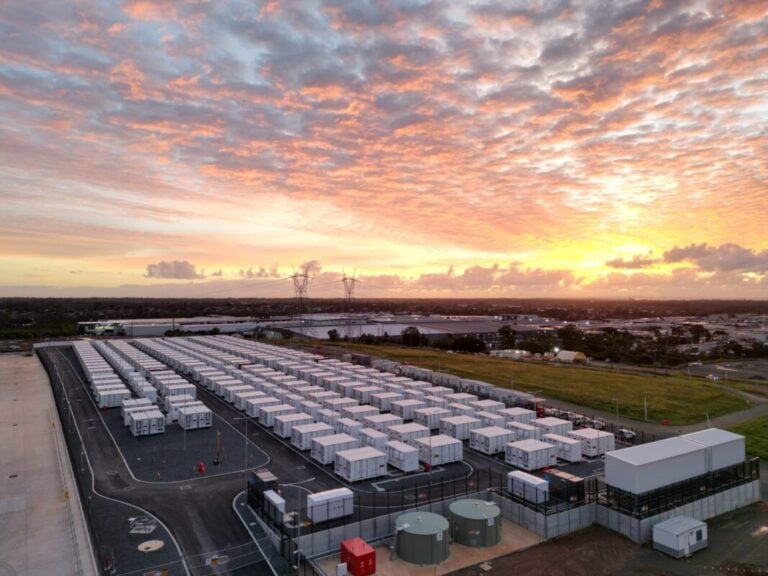
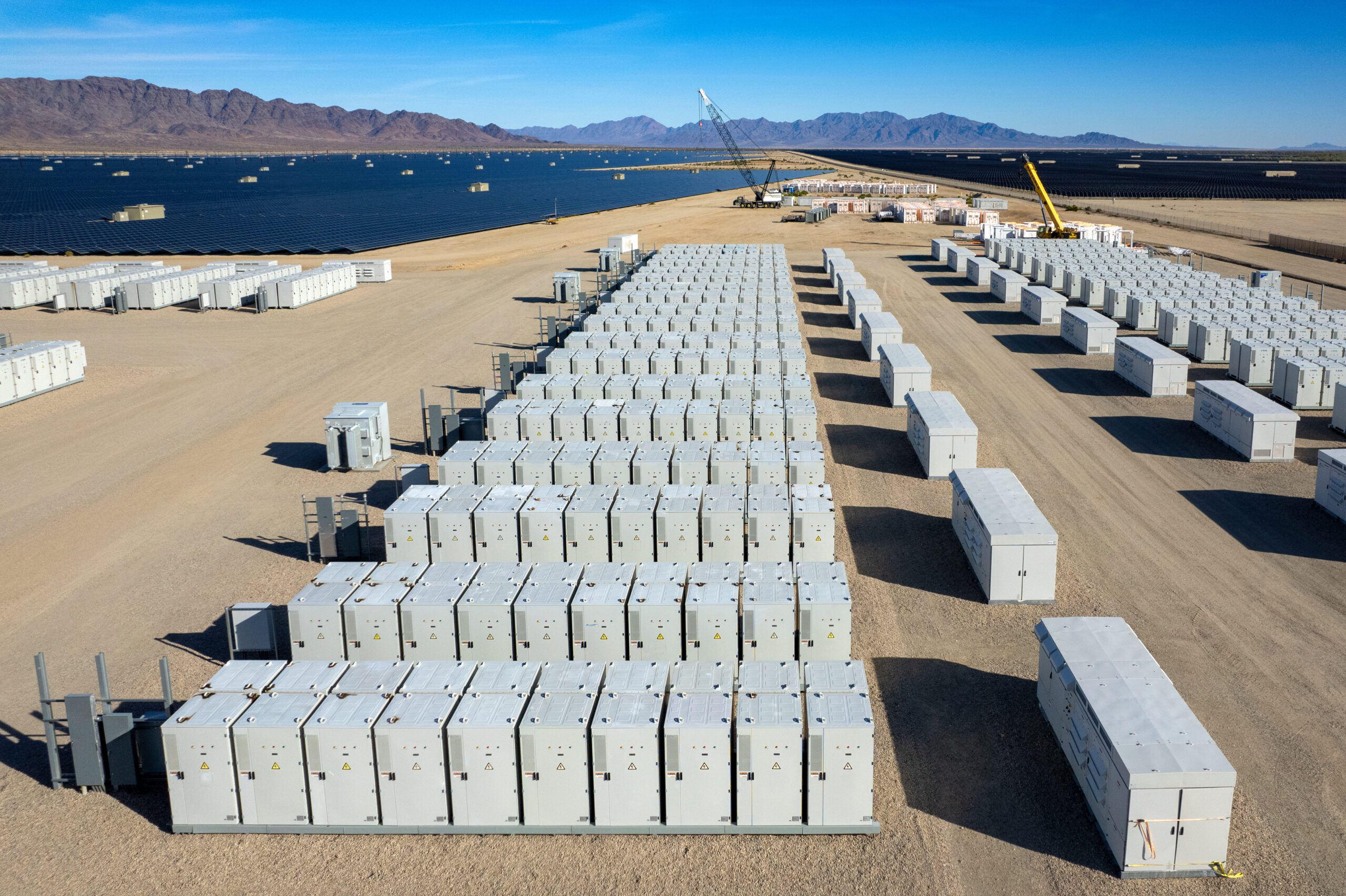
Multi-day, long-term BESSs are essential for integrating renewable energy into electricity grids effectively. These systems store excess energy generated during peak production periods, such as sunny or windy days, and release it when production drops, ensuring consistent power availability. This capability increases the resilience of energy systems in times of high demand, adverse weather conditions, or natural disasters. Developing these storage technologies, however, comes with challenges. High upfront costs, limited scalability, and the need for advanced materials and infrastructure can slow progress.

Scalability and high-quality manufacturing
Maintaining production precision and minimizing waste remain key concerns. According to a 2025 Capgemini study, 68% of automotive companies struggle to elevate battery quality standards at scale, and 59% of battery executives cite extended timeframes to build and ramp up facilities. Moreover, with the increasing competition in the market, battery producers need to keep their prices competitive while maintaining high-quality standards. This highlights the need for advanced manufacturing automation systems to address defects, improve time to market, and reduce scrappage rates.
Skilled workforce and knowledge gaps
In the same research study, Capgemini noted 60% of executives in battery-related fields face workforce shortages. Upskilling employees or integrating advanced automation to reduce manual intervention is vital for filling the gaps. Companies must invest in training and development programs to cultivate a skilled workforce that can keep up with the rapidly evolving technologies and processes in the battery industry.
Government support and regulations
The success of the battery industry heavily relies on government support through policies, incentives, and regulations. These measures can impact various market aspects, such as consumer demand, infrastructure development, and emission standards.
Alternative battery chemistries and multi-day storage demands
Alternative chemistry batteries are seen as a crucial solution to overcoming slowing EV adoption and existing limitations in energy storage, particularly in addressing power grid infrastructure challenges. Technologies such as iron-air, sodium-ion, lithium-sulfur, zinc-hybrid, and flow batteries are being developed as safer, more abundant, cost-effective, and longer storage alternatives to traditional lithium-ion batteries. However, their scalability and applications are still being researched.
Advancements in automation strategies and digitalization technologies are driving scaled production–regardless of the battery chemistry–while continuing to improve product quality and safety.
Advanced automation systems and digitalization contribute to giga-scale production of batteries through:
- Increased Efficiency and Reduced Downtime: Advanced robotics, intelligent machinery, and collaborative automation ensure precision without delays. For example, robotic systems streamline processes like module assembly and testing with unparalleled speed and accuracy. With automation, factories can increase their production capacity without compromising on quality.
- Process Simulation and Digital Twins: Simulation technologies, such as digital twins or virtual commissioning, allow for digital replicas of assembly lines. Manufacturers can simulate processes, identify bottlenecks, and optimize workflows before installing physical machines. In many cases, these digital tools save time and decrease the number of parts required for factory-acceptance testing, runoff, and commissioning.
- Predictive Maintenance: AI-driven predictive maintenance ensures uninterrupted workflows. Sensors and machine-learning algorithms monitor equipment performance and identify potential issues before they occur, reducing unexpected downtime.
- Elevated Quality Standards: Quality control is non-negotiable in battery manufacturing. High-precision assembly, battery cell testing, bead verification, and laser depth detection techniques are incorporated into automation systems to significantly reduce defect rates.
- Modular and Flexible Manufacturing: A critical success factor for battery innovation is adaptability and scalability. Automated systems are designed to adapt seamlessly to new product types or processes, ensuring longevity and relevance as battery technologies evolve.
- Seamless Data Integration: Integrated IT systems and data flow management enable contextualized analysis of manufacturing data, including materials logistics and performance metrics, leading to informed decisions and streamlined operations.

Real-world impact of automation and digital integration into battery assembly processes
By adopting a modular approach and flexible automation systems, JR Automation partnered with a battery assembly manufacturer to scale dynamically without disrupting ongoing operations. This approach allowed for seamless integration of new production equipment, minimizing downtime and ensuring the manufacturer could meet their growing demand efficiently. This new system also provided the flexibility needed to adapt to evolving market demands and technological advancements, all while maintaining consistent output and quality.
JR Automation has a proven track record in enabling battery manufacturers to scale efficiently and innovate. Here’s how we helped overcome other critical industry challenges using some of our capabilities:
- Laser Welding with Depth Monitoring to ensure strong, reliable module assembly.
- RTV Dispensing and Verification for precise adhesive application.
- Robotic Dispensing with Bead Depth Verification to maintain exacting standards.
- Machine-to-Machine Protocols for seamless communication and efficiency.
- Surface Preparation via Laser Ablation or Plasma Cleaning to enable precise and durable welding and assembly.
- Vision-Guided Robotic Material Handling and Assembly for advanced automation and accuracy.
Focus on flexible and scalable solutions
JR Automation’s automation solutions allow manufacturers to maintain flexibility. Whether transitioning from manual assembly to automation or expanding gigafactories for next-gen batteries, our solutions evolve with your needs.
Leading communication and risk mitigation
Our team is committed to success through transparent communication and rigorous project management. From defining process tolerances to quality checks, we address potential risks—including cost, delays, or quality gaps.
Legacy of excellence
Since building its first EV battery assembly solutions in 2010, JR Automation has delivered over 75 energy storage projects, gaining recognition as an industry leader capable of both small-cell semi-automation and giga-scale production.
The future of the battery industry depends on solving the challenges of scalability, sustainability, and efficiency all at once. At JR Automation, we understand that preparing for the future of EVs and BESSs goes beyond meeting immediate production targets. The focus is on aligning short-term operational goals with long-term profitability and improving manufacturing quality. By combining innovative equipment, seamless data integration, and deep automation expertise, we empower manufacturers to achieve large-scale automation efficiently.
For more information or to explore how we can support your goals, visit JR Automation. Our engineering consulting experts can partner with you to scale your plant, elevate your production, and set new industry standards on a global scale.