
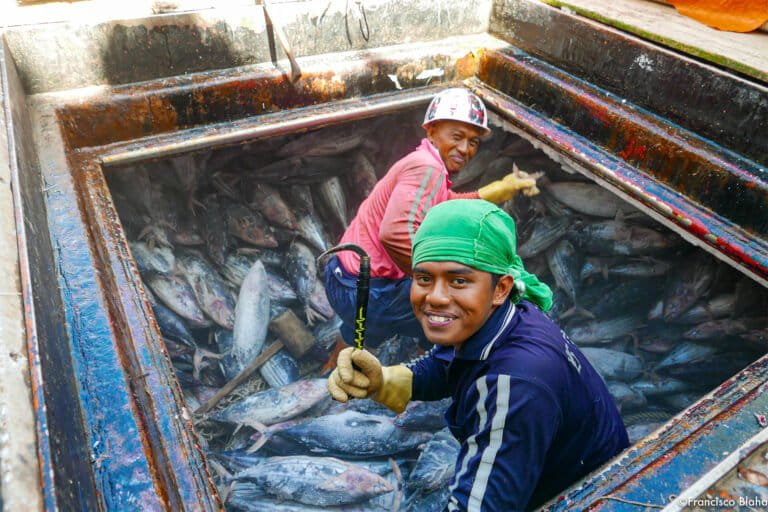
Indonesia’s recent ratification of the ILO Work in Fishing Convention, 2007 (C188) is a historic milestone for the country’s fisheries sector. The ratification is expected to strengthen the protection of fishers; improve working and living conditions at sea; and enhance the competitiveness of Indonesian seafood products in international markets, where buyers increasingly require compliance with labor, human rights and sustainability standards. One of the key lessons from Indonesia’s ratification of ILO Convention No. 188 is that fisheries labor reform requires a broad coalition beyond traditional labor actors. Because the convention directly affects the fisheries sector, successful advocacy depended on active engagement from fisheries authorities, fishing companies, fishers’ organizations and other sectoral stakeholders.Indonesia’s progress was driven by an inclusive “tripartite plus” approach, which combined collaboration among government, employers and workers, with advocacy and technical support from civil society organizations and international partners, including Greenpeace, the Freedom Fund, International Justice Mission and the Environmental Justice Foundation (EJF). These stakeholders played a critical role in raising awareness, generating evidence, strengthening engagement and building public support for ratification. Over the years, various ILO-supported projects also created important momentum by facilitating dialogue, evidence generation and stakeholder engagement on labor issues in fisheries. A clear stakeholder mapping process helped identify the respective roles and interests of each actor, enabling more strategic advocacy and stronger ownership of the ratification process. The Ministry of Marine Affairs and Fisheries (MMAF) emerged as a critical partner alongside the Ministry of Manpower, demonstrating that labor protection in fisheries cannot be achieved…This article was originally published on Mongabay