
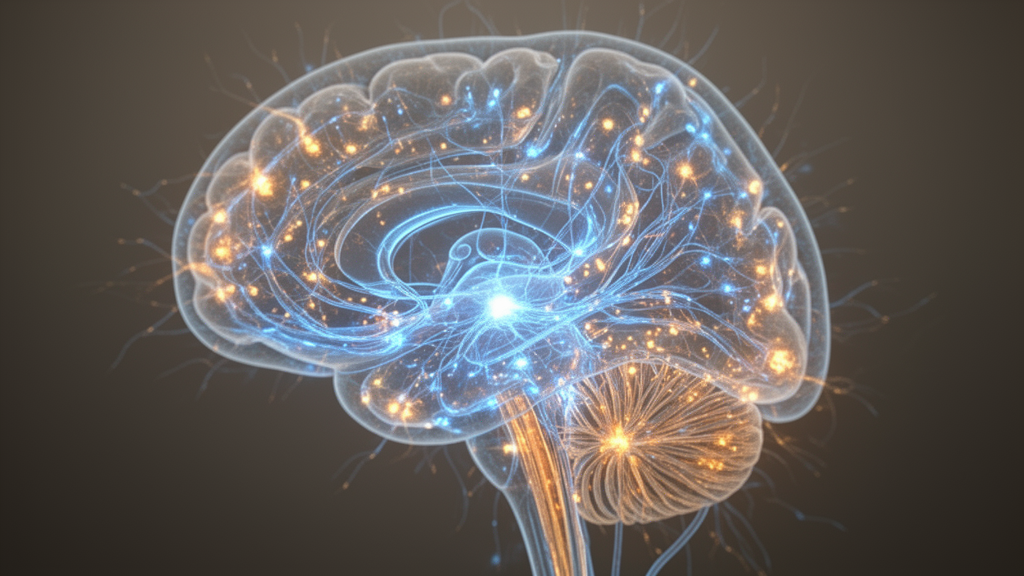
The prefrontal cortex (PFC) serves as a fundamental integration hub for executive functions, including goal-directed behavior, working memory, cognitive flexibility, and decision-making. These high-order cognitive processes allow individuals to adapt actions in response to changing environmental demands. When the cellular, synaptic, and circuit-level mechanisms supporting PFC function are disrupted, these essential processes can become impaired, contributing significantly to the development of numerous neuropsychiatric disorders. These clinical conditions encompass a broad spectrum, including schizophrenia, bipolar disorder, attention-deficit disorders, anxiety disorders, and substance use disorders. Emerging research indicates that alterations in neuronal architecture, synaptic plasticity, neurotransmitter signaling, and connectivity between the PFC and other interconnected brain regions result in maladaptive reward processing and behavioral abnormalities. These disturbances arise from diverse etiologies, such as neural circuitry remodeling induced by exposure to drugs of abuse, dysregulated neurotransmitter release, and viral-mediated neuroinflammation, all of which exert profound impacts on circuit functionality.
Recent studies in this research topic have advanced the field by characterizing how substances of abuse remodel prefrontal networks and alter molecular signaling pathways. Kokane et al. investigated the effects of self-administered remifentanil on connectivity between the medial prefrontal cortex (mPFC) and the nucleus accumbens (NAc). The researchers demonstrated that abstinence following remifentanil self-administration enhanced excitatory drive onto NAc D1-expressing medium spiny neurons (MSNs) while simultaneously reducing excitatory input to D2 MSNs. These findings highlight that opioid exposure and withdrawal induce enduring, cell type-specific adaptations within corticostriatal circuits, which are critically involved in reward processing and motivated behavior.
Complementary molecular investigations have explored the unique physiological consequences of increasingly prevalent drug combinations. Pauss et al. analyzed how fentanyl and xylazine modulate kinase activity in the human neuronal SH-SY5Y cell line. Their findings indicated that while xylazine attenuated several kinase signaling changes induced by fentanyl alone, the co-administration of fentanyl and xylazine produced a broader increase in substrate phosphorylation than either drug individually. This study highlights the unique molecular consequences of this increasingly prevalent drug combination. Furthermore, the group examined the effects of nicotine and estrogen on protein kinase activity in cultured human neurons, establishing nicotine-specific kinase mechanisms.
The role of cell death mechanisms in addiction pathology is also under scrutiny, particularly regarding ferroptosis. Bouchard et al. reviewed evidence linking dysregulation of ferroptosis, a tightly regulated form of iron-dependent cell death, to the neuropathology of substance use disorders. Focusing on substances such as methamphetamine, nicotine, cannabis, and opioids, the authors detailed how disruptions in these pathways promote microglial activation and subsequent neuronal injury. This process is posited to drive maladaptive neuroplasticity and contribute to the structural changes associated with addiction. The identification of ferroptosis pathways offers a prospective target for future therapeutic interventions. In a related contribution, Amancio-Belmont et al. proposed a framework suggesting that interactions between hippocampal-prefrontal and hippocampal-striatal circuits shape adaptive and maladaptive reward-seeking behavior, potentially underlying the impulsive behaviors observed in individuals struggling with substance use disorders.
Beyond substance use, the PFC demonstrates a distinct vulnerability to viral infections, which can result in persistent neurotoxicity and cognitive dysfunction. Honsa provided a comprehensive review of how HIV-1 targets the PFC, emphasizing the molecular pathways through which viral proteins mediate neurodegeneration and lead to impairments in executive function, ultimately contributing to HIV-associated neurocognitive disorders. Complementing this, Chau et al. examined the susceptibility of the PFC to HSV-1 infection. Their research detailed the cellular and subcellular mechanisms through which HSV-1 alters prefrontal circuitry and contributes to the pathophysiology of herpes simplex encephalitis. These articles collectively underscore that the PFC is highly sensitive to viral-mediated injury, and such infections have severe implications for the long-term integrity of higher-order cognitive networks and their ability to regulate complex behaviors.
Depression and stress-related disorders represent another critical area where prefrontal and interconnected neural networks are profoundly remodeled. Zhou et al. investigated the role of the lateral habenula (LHb) in these conditions, focusing on the burst firing activity observed during states of stress and depression. Their results indicated that this specific neuronal firing pattern is not directly mediated by N-methyl-D-aspartate (NMDA) receptors, though these receptors may exert a modulatory influence under specific physiological conditions.
Chronic stress further drives structural and functional remodeling of the PFC and its associated networks, often involving complex interactions between neural plasticity and inflammatory responses. Mahmud and Karaman presented translational and preclinical evidence highlighting how these stress-induced changes contribute to depressive-like behaviors. Their analysis emphasized the critical roles of disrupted neuroplasticity, circuit dysfunction, and neuroinflammation as primary drivers of psychopathology. Additionally, Linley and Viena explored the top-down role of the PFC in regulating emotion, cognition, and motivated behavior. They highlighted the midline thalamus as a critical interface for coordinating these distributed neural networks, underscoring the importance of PFC-thalamic-habenular circuits in the regulation of affective behavior and the overall development of depression-related psychopathology.
Collectively, the research presented in this volume provides deeper insights into the diverse roles of the prefrontal cortex and the various cellular, molecular, and circuit-level mechanisms through which its dysfunction emerges. By advancing the understanding of the neural substrates underlying cognition, emotion, motivation, and neuropsychiatric disease, these studies identify potential therapeutic targets for future clinical interventions. The findings consistently emphasize the necessity for continued investigation into the complex and interconnected networks that support PFC-dependent behaviors in both healthy and diseased states.
Subject of Research: Investigation of the neural circuit and cellular mechanisms underlying prefrontal cortex dysfunction in psychopathology.
Article Title: Editorial: Cellular and network mechanisms underlying behavioral functions of the prefrontal cortex and reward circuitry pertaining to psychopathology, volume II
Article References: Leyrer-Jackson, J. M., Thomas, M. P., & Olive, M. F. (2026). Editorial: Cellular and network mechanisms underlying behavioral functions of the prefrontal cortex and reward circuitry pertaining to psychopathology, volume II. Frontiers in Cellular Neuroscience, 20, 2046146. https://doi.org/10.3389/fncel.2026.2046146
Image Credits: AI Generated
DOI: 10.3389/fncel.2026.2046146
Keywords: prefrontal cortex, neuropsychiatric disorders, reward circuitry, synaptic plasticity, addiction, substance use disorders, corticostriatal circuits, ferroptosis, neuroinflammation, viral neurotoxicity, HIV-1, herpes simplex encephalitis, lateral habenula, NMDA receptors, executive function, neuroplasticity, neural connectivity, kinase signaling, affective behavior
Tags: Addictionaffective behaviorcorticostriatal circuitsexecutive functionferroptosisherpes simplex encephalitisHIV-1kinase signalinglateral habenulaneural connectivityNeuroinflammationneuroplasticityneuropsychiatric disordersNMDA receptorsprefrontal cortexreward circuitrysubstance use disorderssynaptic plasticityviral neurotoxicity