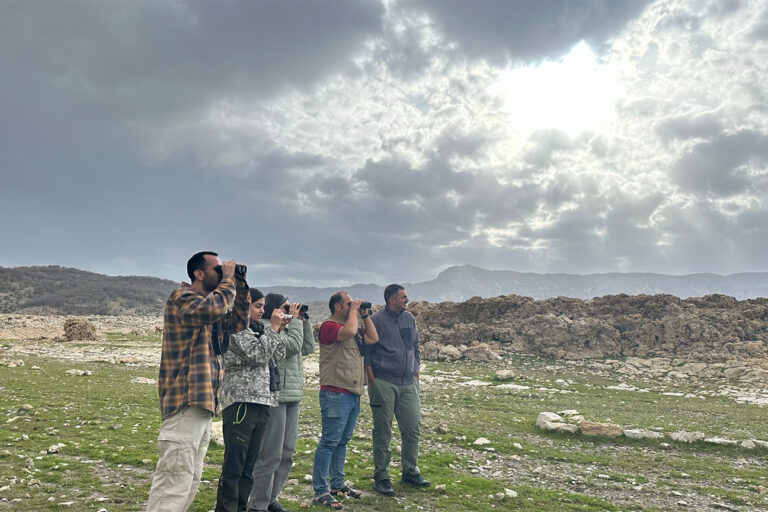
The ongoing war in Iran, which began following a joint U.S.-Israeli attack on Feb. 28, has intensified the long-standing isolation of the country’s wildlife conservation community, Mongabay’s John Cannon reports. While the current war has directly hindered research and damaged educational facilities, conservationists and researchers said that decades of international sanctions and political disconnect had already crippled Iranian conservation efforts long before the first bombs fell this year. “Iran’s nature, Iranian conservationists and Iranian researchers have been isolated for a long time,” Iman Ebrahimi, deputy director of the Isfahan-based NGO AvayeBoom Bird Conservation Society, told Mongabay. “The war has made that isolation more visible, but it did not create it.” This isolation has restricted access to global funding, professional collaboration, and basic research tools such as reliable internet, academic journals and robust banking channels. AvayeBoom continues to monitor the conflict’s effect on critical habitats. During a brief ceasefire in April, the team documented at least 5,000 greater flamingos (Phoenicopterus roseus) at Maharloo Lake, a salt lake that was full of water at the time. Ebrahimi said industries and agricultural activities were possibly drawing less water from the lake. The nonprofit also works with local communities around the Arjan wetland to protect bird species like the ruddy shelduck (Tadorna ferruginea). The wetland is part of the UNESCO-listed Arjan and Parishan Biosphere Reserve, in southwestern Iran, home to thousands of species, but also illegal bird hunting. Ebrahimi expressed concern about researchers who are forced to leave the country due to a lack…This article was originally published on Mongabay